
TL;DR: Quick Answer
Treat a burning smell or an overheating dryer as urgent. The most common cause is a lint-clogged vent that traps heat, and lint is highly flammable. Stop the dryer, unplug it, and do not run it again until the vent has been checked and cleared.
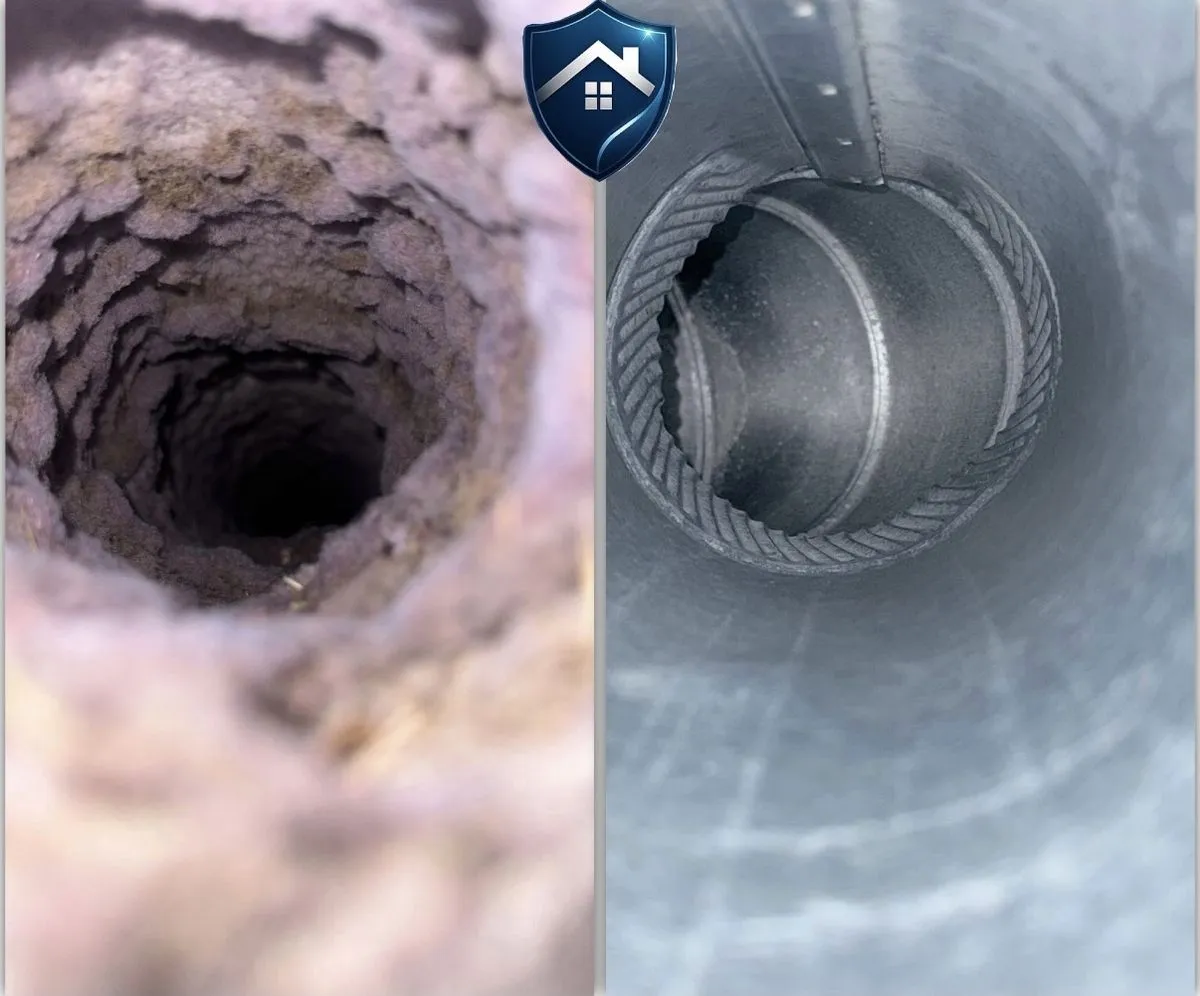
Treat a burning smell or an overheating dryer as urgent. The most common cause is a lint-clogged vent that traps heat, and lint is highly flammable. Clothes dryers cause an estimated 2,900 home fires a year (U.S. Fire Administration), with failure to clean the leading factor. If you smell burning, stop the dryer, unplug it, and don’t run it again until the vent has been checked.
What to do right now
- Stop the cycle and unplug the dryer
- Clean the lint trap and check for a hot exterior or laundry room
- Feel the outside vent flap, weak or no airflow means a blockage
- Do not run the dryer again until the vent is cleared and inspected
Common causes
- Blocked vent or lint buildup, the most common cause of overheating
- Crushed or too-long vent run that restricts airflow
- Failing heating element or thermostat (a repair issue)
- Lint near the heating element, the source of a true burning smell
How Prestige Protected helps
We clear and inspect blocked vents with professional equipment and, if the duct is crushed or disconnected, we repair or replace it. If clothes were also taking too long, see why your dryer takes too long to dry. Book a same-day dryer vent cleaning if you suspect a blockage.
Frequently asked questions
Is a burning smell from the dryer dangerous?
Yes, it can indicate lint near the heating element or a severe blockage, both fire risks. Stop using the dryer and have the vent inspected before running it again.
Why is my dryer so hot on the outside?
A hot exterior usually means heat isn’t escaping through the vent, typically a lint blockage or a crushed/too-long run restricting airflow.
Why a clogged vent overheats and smells
A dryer works by pushing hot, moist air out through the vent. When lint packs the duct, that hot air has nowhere to go, so heat backs up inside the cabinet and the run. A scorched or burning smell means lint is close to the heating element or the motor is straining. The U.S. Fire Administration attributes an estimated 2,900 home fires a year to clothes dryers, with failure to clean the leading factor, so a burning smell is not something to wait out.
What to check before you call
After unplugging the dryer, clean the lint screen and look at the exterior vent hood while the dryer is off. If the flap barely opens or you see lint packed behind it, the run is clogged. Check that the flexible hose behind the dryer is not crushed or kinked. If clothes were coming out damp and hot before the smell started, that points to a restricted vent rather than the appliance itself.
Can I keep using the dryer until it is cleaned?
No. If you have smelled burning, keep it unplugged until the vent is cleared and inspected. Running it again risks igniting the lint that caused the smell.
Does the vent or the dryer need fixing?
Usually the vent. A clogged or damaged duct is the most common cause of overheating. If the vent is clear and the dryer still overheats, the appliance may need service. Our dryer vent repair and replacement page covers when a vent line needs more than a cleaning.
Long-run and rooftop vents deserve extra attention
Homes with a long vent run, several bends, or a rooftop termination clog faster and are harder to clear safely, and they are also where overheating shows up first. If your laundry is on an interior wall or an upper floor, the duct has more distance to travel and more places for lint to settle. These are the runs where a professional cleaning, and sometimes a rerouting or a section replacement, makes the biggest safety difference. If the smell or overheating returns soon after a cleaning, the vent path itself may need repair.
Smell something burning? Don’t wait.
Call for a same-day vent check across Cary, Raleigh & the Triangle.
Telling the three burning smells apart
Not every burning smell from a dryer means the same thing, and the smell itself narrows it down faster than anything else you can check without tools.
- Hot, dusty, like a radiator turned on for the first time in autumn. Usually lint scorching against a hot element or a hot exhaust path. This is the one that most often traces back to a clogged vent, and it is the one that most often precedes a fire.
- Sharp, chemical, like melting plastic. Something in the machine is overheating: a belt slipping on a seized drum roller, a failing motor, or a plastic component contacting a hot surface. Stop the machine and unplug it. This is appliance service, not a vent cleaning.
- Electrical, like ozone or hot wiring insulation. Treat this as urgent. Unplug the dryer at the wall and do not run it again until an electrician or appliance technician has looked at it.
The first case is the common one, and it is worth understanding why it happens. A restricted exhaust traps heat inside the drum and duct instead of carrying it outside. The dryer's thermal limiter cuts the heat, the machine cools, the limiter resets, and heat comes back on. That cycle repeats through every load. Meanwhile the lint sitting in the hottest part of the path is being baked, over and over. Lint is highly combustible, and the U.S. Fire Administration has estimated roughly 2,900 clothes dryer fires in residential buildings each year, with failure to clean the leading factor contributing to ignition.
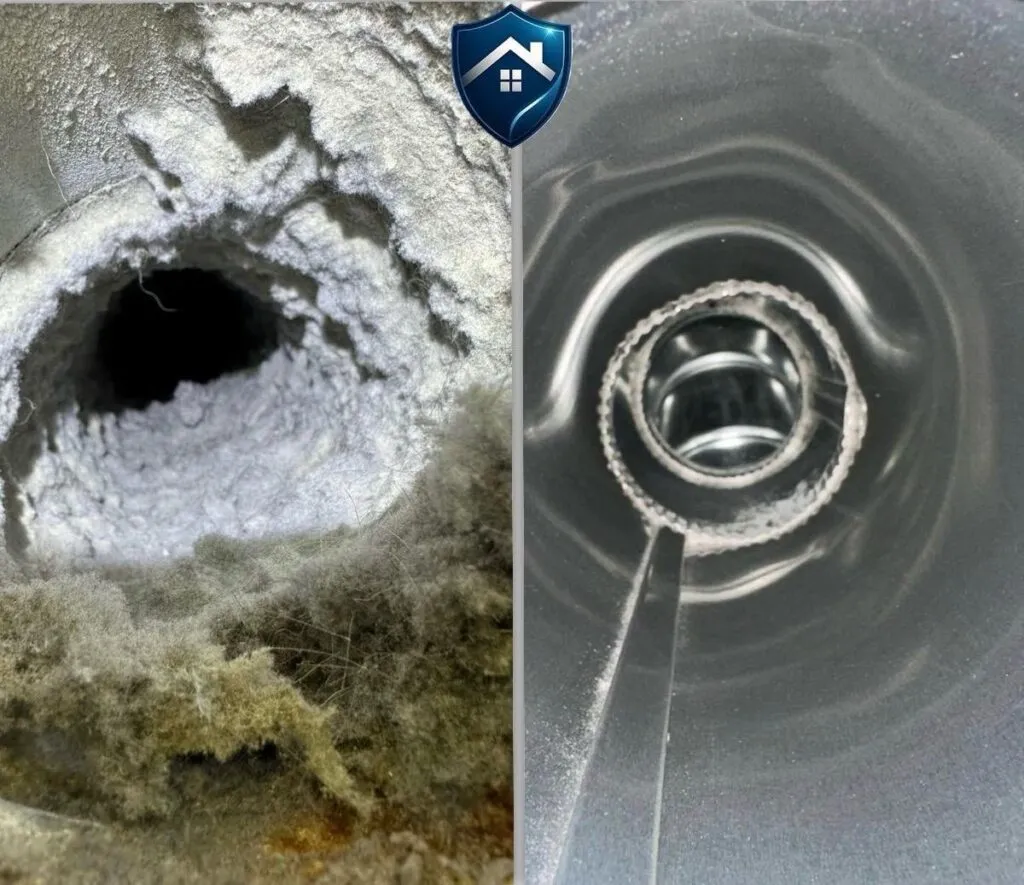
Why repeated overheating shortens the life of the dryer
People often replace a dryer that was never the problem. Every high-limit trip stresses the heating element, the cycling thermostat and the limiter itself, and those are the parts that fail first on a machine venting into a restricted duct. A dryer that has been fighting a clogged vent for two years has effectively been running an endurance test. If you have replaced a dryer in the last few years and never had the vent line cleared, the new machine is on the same path.
There is also the running cost. Restricted airflow means longer cycles, and longer cycles mean more energy for the same laundry. ENERGY STAR makes the general point about airflow on the HVAC side, where a clean filter can lower an air conditioner’s energy consumption by 5 to 15 percent, a U.S. Department of Energy figure. The mechanism on a dryer is the same: an appliance moving air through a restriction works harder for the same result.
Where the heat is actually building up
In the Raleigh homes we service, the restriction is usually in one of four places, in this rough order of frequency: the transition hose behind the machine, crushed when the dryer was pushed back into place; the elbow closest to the dryer, where lint packs against the first turn; the exterior termination, where a stuck flap, a paint layer or a bird nest blocks the outlet; and the middle of a long vertical run in a two-story home with second-floor laundry, where lint falls back down and compacts. Our page on dryer vent problems covers nests and long runs in more detail, and transition hose replacement covers the hose behind the machine.
More questions about dryer overheating
What does a burning smell that means “stop now” smell like?
Melting plastic or hot electrical insulation. Both mean unplug the dryer at the wall and leave it off. A hot, dusty smell is still a reason to stop using the machine, but it is the one most likely to be solved by clearing the vent.
My dryer shuts off mid-cycle and restarts later. Is that related?
Very likely. That is the thermal limiter doing its job because exhaust heat is not escaping. It is a symptom of restriction, and it will keep happening until the airflow is restored.
How do I check airflow at the outside vent myself?
Start a load on high heat, then go outside and hold your hand near the vent flap. A clear run pushes warm air out strongly enough to feel from about a foot away. Weak or barely warm air with a hot laundry room means the run is restricted.
Will cleaning the lint screen fix an overheating dryer?
It helps and you should do it every load, but it does not address the duct run beyond the machine, which is where the compacted lint sits. A clean screen with a blocked run still overheats.
Should I use dryer sheets if my dryer runs hot?
Residue from sheets can coat the lint screen and reduce the air passing through it, which makes a restriction worse. If the machine is already running hot, skip them until the vent has been cleared and the screen scrubbed with warm water.
Related guides
- Signs of a clogged dryer vent, the usual cause of overheating
- Dryer vent fire risk and prevention
- Carbon monoxide and gas dryers, if your dryer runs on gas
- Common dryer vent problems
- Book a dryer vent service