
TL;DR: Quick Answer
If you dust and it is back within a day, the cause is usually your air system, not your cleaning. The two biggest culprits are dirty ducts that recirculate built-up debris and an overdue or low-grade furnace filter. Cleaning the ducts and upgrading the filter removes the reservoir of dust your system keeps blowing back into every room, which is the most effective way to break the cycle.
Last updated by the Prestige Protected service team.
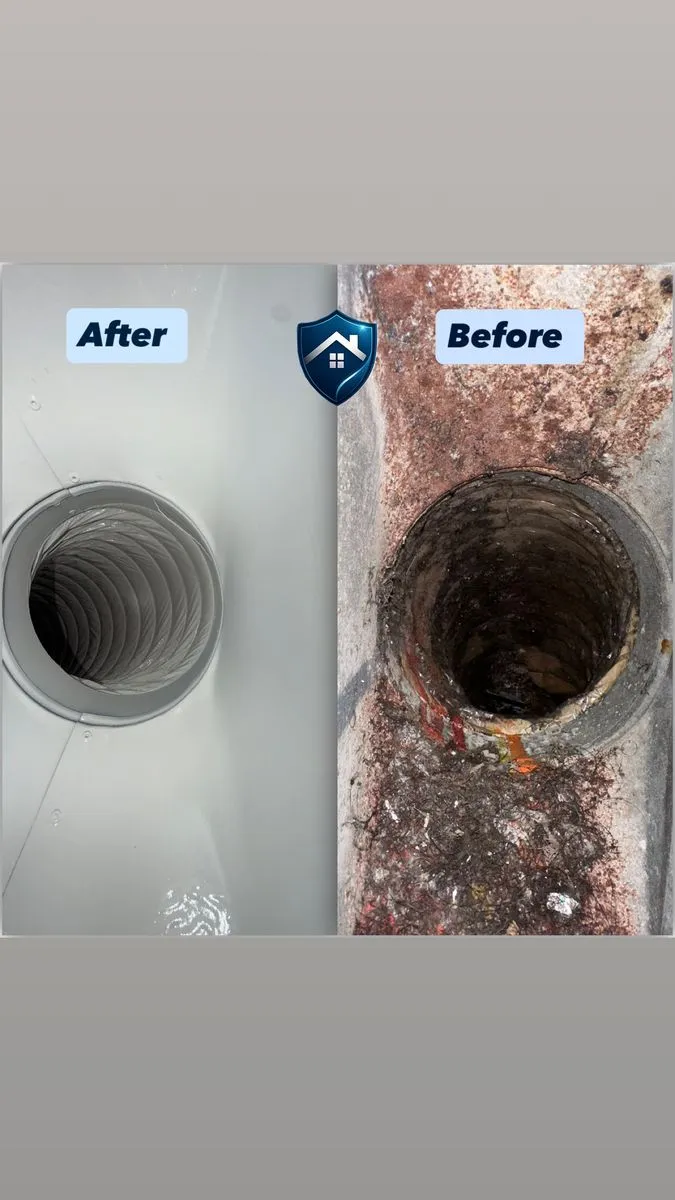
A constantly dusty house almost always comes down to how air, and the particles riding in it, move through your home. You can wipe every surface and it comes back within a day because the real source keeps feeding it. Below are the seven most common causes and the specific fix for each, plus the order we would tackle them in.
7 common causes of a dusty house
- Dirty air ducts circulating built-up debris through every room
- A low-MERV or overdue filter that does not capture fine dust
- Leaky ductwork pulling dust from attics and crawlspaces into the air
- Low humidity that keeps dust airborne, common in winter
- Pets adding dander and hair to the mix
- Poor sealing around windows and doors letting outdoor dust in
- Aging carpet, bedding and upholstery shedding fibers
How to fix it, in order
Start with the two biggest levers. First, replace your filter with a quality pleated one and stay on schedule with it. This is the cheapest, fastest change and it matters most. Second, if your air ducts have not been professionally cleaned in years, have them done. That removes the reservoir of dust the system recirculates every time it runs. The U.S. Environmental Protection Agency identifies source control, meaning removing or reducing the source of particles, as the most effective way to improve indoor air, which is exactly what these two steps do.
From there, work down the list: seal obvious duct leaks in the attic or crawlspace, add humidity in winter to help dust settle, vacuum with a HEPA machine, and wash bedding weekly. For pet households, see air duct cleaning for pet owners; if allergies are part of the picture, see air duct cleaning & allergies.
When cleaning the ducts is actually worth it
Duct cleaning is not a cure-all, and a reputable company will tell you so. It makes the biggest difference when the ducts hold years of settled debris, after a renovation that left drywall dust in the system, when there are pests or mold, or when a home simply stays dusty no matter how often you clean. If your ducts are relatively clean and your filter is fresh, a new filter and better sealing may be all you need. When in doubt, a quick camera look inside a return will tell you whether there is a real reservoir of dust to remove.
How to tell which cause is yours in about 20 minutes
Before you spend money on anything, work through these five checks in order. Each one points at a different cause, and most homeowners find their answer in the first three.
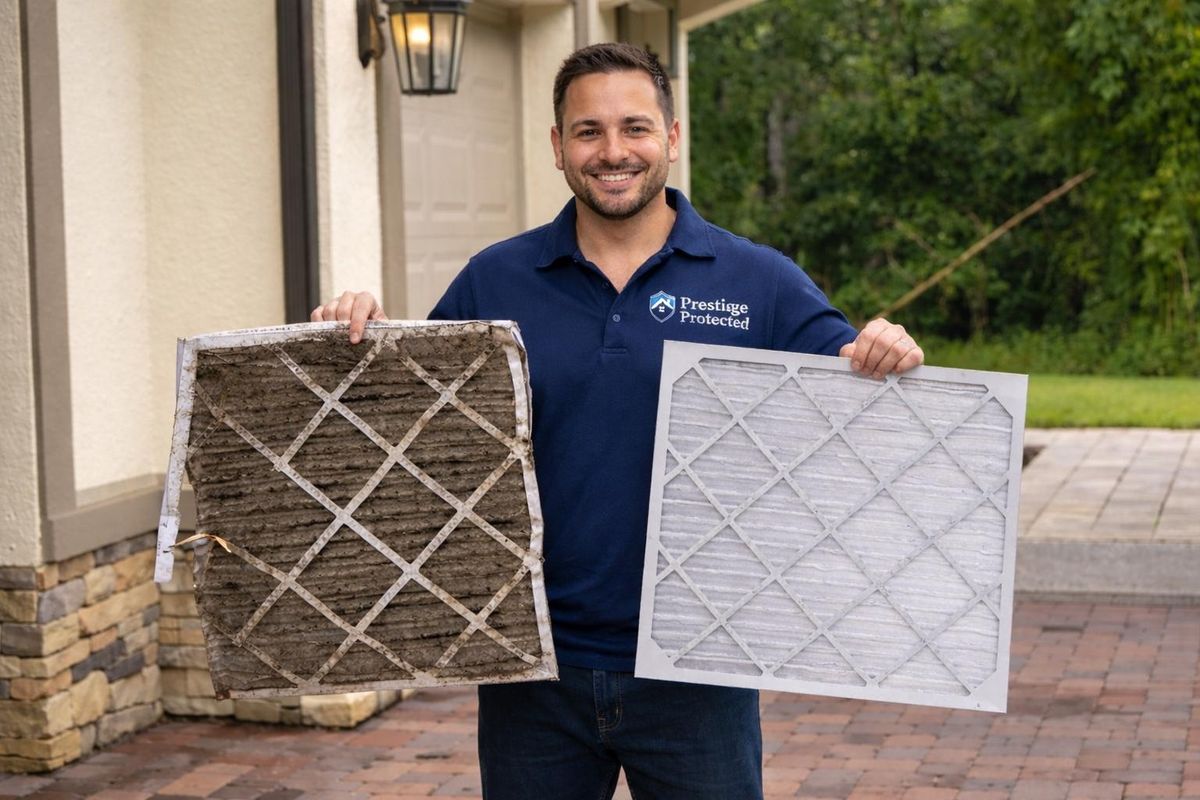
- Pull the filter out and hold it up to a light. If you cannot see light through the pleats, it has been in too long and fine dust has been bypassing it for weeks. If it is a thin fiberglass panel, it was never catching fine dust in the first place.
- Look at the filter slot itself. Gaps around the frame mean unfiltered air is being pulled straight past the filter. A whistling return grille is the same story. This is one of the most common causes we find and one of the cheapest to fix.
- Shine a flashlight into a supply register. Look past the first few inches. Loose gray fuzz, drywall dust or a visible layer coating the bottom of the duct means there is a real reservoir sitting in the system.
- Check the return grille and the wall behind it. Dark smudging around the edges of a return means air is being pulled through gaps in the wall cavity, dragging insulation fibers and attic or crawlspace dust into the system.
- Look at window sills and door thresholds on the side of the house that faces the road. A gritty, sandy dust there and nowhere else usually means the problem is outdoor air infiltration, not your ductwork.
What the EPA actually says about dust and air ducts
We would rather be straight with you than sell you a cleaning you do not need. On the question of health claims, the U.S. Environmental Protection Agency is blunt: “Duct cleaning has never been shown to actually prevent health problems.” It also points out that “much of the dirt in air ducts adheres to duct surfaces and does not necessarily enter the living space.”
So dirty ducts are not automatically the reason your house is dusty. The EPA suggests you consider having the ducts cleaned when one of three specific things is true:
- There is substantial visible mold growth inside hard-surface ducts or on other parts of the heating and cooling system.
- The ducts are infested with vermin, meaning rodents or insects.
- The ducts are clogged with excessive amounts of dust and debris that are actually being released into the home.
That third condition is the one that matters for a dusty house, and it is exactly what the flashlight check above is testing for. If your ducts are reasonably clean, a better filter and a properly sealed filter slot will do more for you than a duct cleaning would. If there is a visible layer of debris in there, the reverse is true. You can read the EPA guidance in full at epa.gov.
Why Triangle homes get dustier than most
Three local factors stack up in Cary, Raleigh and the surrounding towns. First, pollen season here is long and heavy, running from tree pollen in late winter through grass and then late-summer weed pollen, and every time a door opens some of it comes in and settles. Second, our cooling season is long and humid, so the blower runs for months at a stretch and moves the same particles around the house thousands of times. Third, a large share of Triangle housing sits over a vented crawlspace. When the return side of the duct system leaks, and most do somewhere, the system pulls crawlspace air, soil dust and insulation fibers into the airstream and delivers them to your rooms.
None of that is unusual or alarming. It just means the same house in a drier climate on a slab would run cleaner, and it explains why filter discipline matters more here than the filter box label suggests.
A dust-control routine that actually holds up
- Monthly: check the filter. Replace it when the pleats look loaded rather than waiting for a date on the box. Homes with pets or a shedding-heavy household often need it every 30 to 45 days.
- Monthly: vacuum the return grille and the supply registers with a brush attachment. This is the dust closest to the room and the easiest to remove.
- Seasonally: vacuum with a sealed HEPA machine rather than a bagless unit that puffs fine dust back out, and wash bedding weekly in the rooms where dust shows first.
- Seasonally: run the system fan a little longer after cooling cycles in summer so the coil dries, and add humidity in winter so airborne dust settles where you can capture it.
- Every few years, or after a renovation: have the system inspected and, if there is genuine buildup, cleaned. Renovation drywall dust is the single most common reason a previously normal house turns permanently dusty.
What will not fix a dusty house
Plenty of money gets spent on things that do not move the needle. Air fresheners and scented vent clips do nothing to dust. Closing vents in unused rooms raises duct pressure and usually makes leaky ducts pull in more dust, not less. Cheap fiberglass filters barely register on fine particles. And the advertised bargain duct cleaning, the one that is priced at a fraction of what proper equipment costs to run, typically means a shop vac at the register openings, which leaves the trunk lines untouched. If you are weighing offers, our guide to air duct cleaning scams to avoid explains what a real quote looks like.
Frequently asked questions
Can dirty air ducts make my house dusty?
Yes. When ducts hold years of debris, the system recirculates it into every room each time it runs, so dust returns quickly no matter how often you clean.
How often should I change my air filter to reduce dust?
Most homes should change a standard 1-inch filter every one to three months, more often with pets or allergies. A higher-MERV pleated filter captures finer dust.
Does professional duct cleaning actually reduce dust?
When the ducts hold a real buildup of debris, yes. Removing that reservoir means the system stops blowing it back into your rooms. If the ducts are already clean, a fresh filter and better sealing will do more.
What MERV filter should I use?
A pleated filter in the MERV 8 to 11 range captures far more fine dust than a cheap fiberglass filter while still letting most residential systems breathe. Go higher only if your system is designed for it, since a too-restrictive filter can strain the blower.
Why is my house dustier in winter?
Dry winter air keeps fine dust airborne longer instead of letting it settle, and homes are sealed up with the heat running, so the same particles recirculate. Adding a little humidity helps dust settle so you can capture it.
Why does dust come back within a day of cleaning?
Because you removed the dust on the surfaces, not the source feeding them. If the system is recirculating a reservoir of debris or pulling unfiltered air past a gapped filter slot, every hour of runtime resupplies the room. Fix the supply and the surfaces stay clean far longer.
Does closing vents in unused rooms reduce dust?
No, and it usually makes things worse. Closing registers raises pressure inside the duct system, which forces more air out through leaks and pulls more air in through gaps on the return side. In a Triangle home with crawlspace ductwork, that often means more soil and insulation dust in the airstream, not less.
Do air purifiers fix a dusty house?
A good portable HEPA purifier helps in the single room it is sized for, and it is a reasonable addition for a bedroom. It does not touch the dust that is already sitting in the ductwork or the unfiltered air being pulled in at a leaky filter slot, so it is a supplement rather than a solution.
Can a dirty return duct make one room dustier than the rest?
Yes. Returns pull air through whatever is around them, so a return in a wall cavity that connects to an attic or crawlspace will drag that dust into the system, and the rooms nearest the supply runs off that branch see it first. Dark smudging around a return grille is the usual clue.
Does a renovation cause long-term house dust?
Very often. Drywall sanding produces extremely fine dust that gets pulled into the return and settles along the trunk lines, then releases slowly for months or years afterwards. If your house turned dusty after a remodel and never went back, that is usually why, and it is one of the clearest cases for a source-removal cleaning.
Is the black dust around my vents the same as regular house dust?
Not always. Fine black or gray streaking on the ceiling and wall around a register is often soot from candles, a fireplace or cooking, redistributed by airflow. It is a different problem with a different fix, and we cover it in our guide to black dust around air vents.
Dust that keeps coming back is usually a filtration question as much as a duct question. Our guide to which HVAC filter to use in a Cary or Raleigh home is the place to start.
Tired of dusting every day?
Ask us whether a duct cleaning would break the cycle in your home.
More from our team
Related guides
- Black dust around the vents, when the marks are sooty rather than grey
- Dust in a house with pets, and what actually reduces it
- How often air ducts need cleaning
- Duct cleaning compared with an air purifier, source removal against filtering
- Our air duct cleaning service