
TL;DR: Quick Answer
For most homes, yes. A clogged dryer vent is a fire hazard and an energy drain, and cleaning it is inexpensive next to the risk. It is clearly worth it if clothes take more than one cycle to dry, the laundry room runs hot, you smell burning, or it has been over a year since the last cleaning.
Last updated by the Prestige Protected service team.
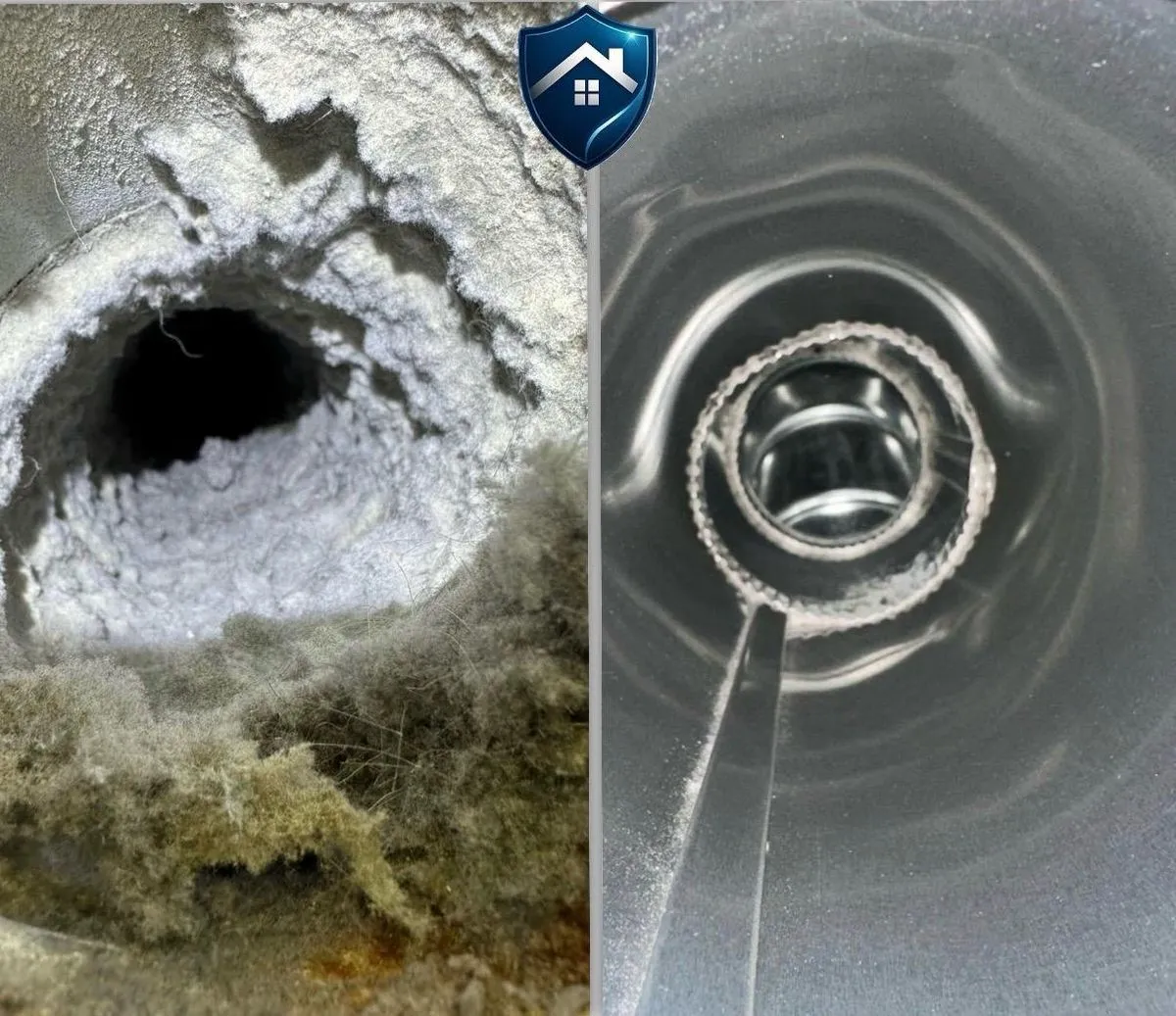
Short answer: for most households, yes. A clogged dryer vent is both a fire hazard and an energy drain, and cleaning it is inexpensive relative to the risk. According to the U.S. Fire Administration, clothes dryers cause an estimated 2,900 home fires each year, and “failure to clean” is the leading factor. If your dryer is working harder than it should, cleaning almost always pays for itself.
When dryer vent cleaning is clearly worth it
- Clothes take more than one cycle to dry, or come out hot and damp
- The dryer or laundry room feels unusually hot
- You notice a burning or musty smell when drying
- It has been more than a year since the vent was cleaned
- You have a long or rooftop vent run, or pets that shed heavily
When you can probably wait
If your vent was cleaned within the last 12 months, your runs are short and straight, and clothes still dry in a single normal cycle, you likely have some time. Even then, a quick annual check is cheap insurance against lint buildup you cannot see.
The cost-vs-benefit math
Professional dryer vent cleaning is a modest, one-time cost that restores airflow, shortens drying times (saving energy on every load), extends the life of the appliance, and removes the lint that fuels dryer fires. Compared with the cost of a fire, a dryer repair, or years of wasted energy, it is one of the highest-return maintenance tasks a homeowner can do. See our dryer vent cleaning cost guide for current pricing factors.
How Prestige Protected helps
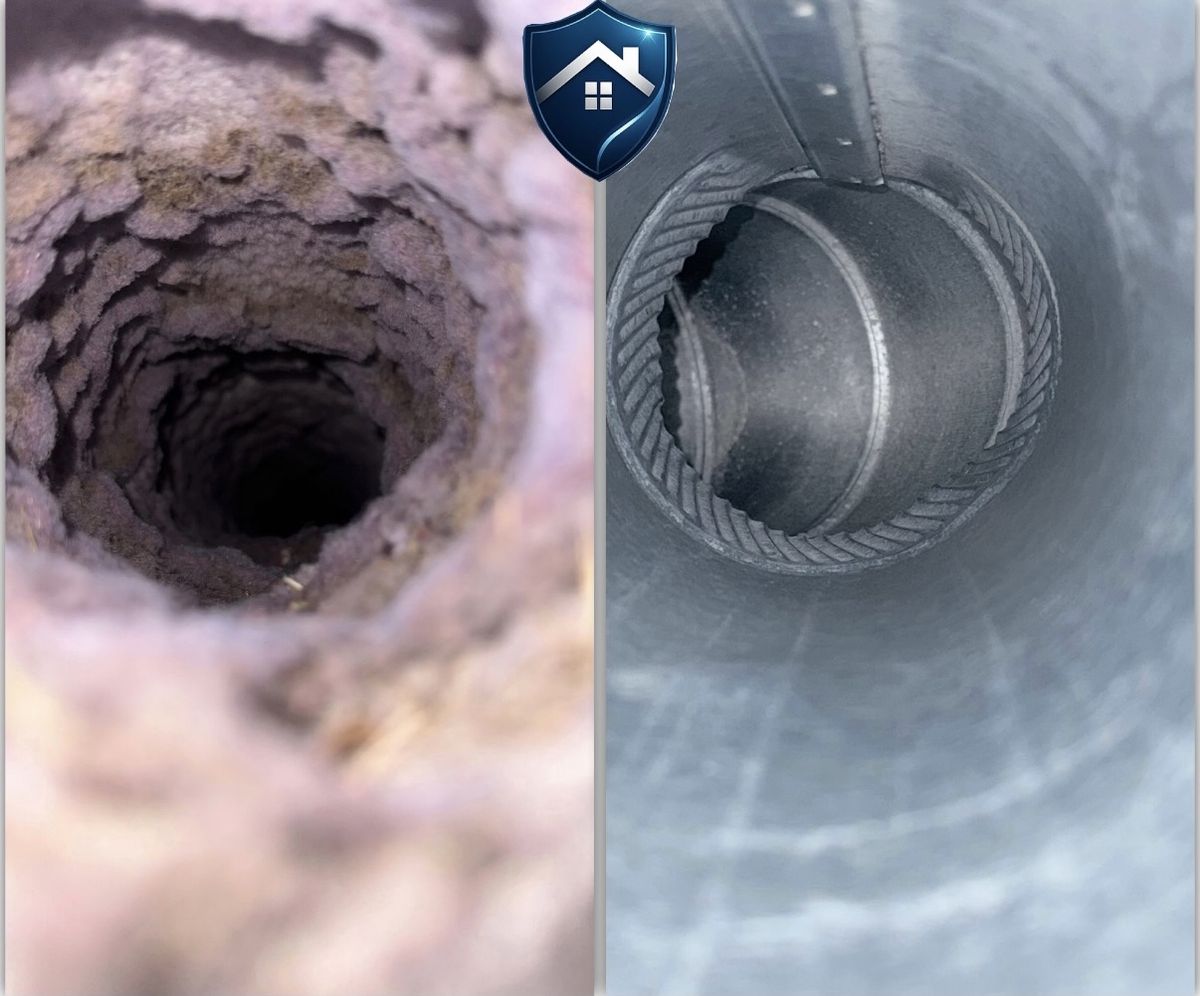
We provide professional dryer vent cleaning across Cary, Raleigh and the Triangle, and, if the vent is crushed, disconnected or the wrong material, repair and replacement too. Every job is photo-documented so you can see the lint that came out.
Five checks that tell you whether your vent is restricted
You do not need equipment to get a reasonable read on your own dryer vent. Run these checks in order and you will know whether this is urgent, worth scheduling, or something you can leave for a while.
- Time one normal load. A standard load of towels should finish in roughly 40 to 50 minutes. If it takes 90 minutes or two full cycles, air is not leaving the vent fast enough.
- Go outside and watch the vent hood while the dryer runs. The flap should be pushed fully open with warm air pouring out. A flap that barely lifts, or one crusted shut with lint, means the run is restricted at or before the termination.
- Put your hand on the dryer cabinet and the laundry room wall after a cycle. Hot to the touch means the machine is dumping heat into the room instead of out the vent.
- Pull the lint screen and shine a light down into the slot. If lint is packed around the housing below the screen, the same thing is happening further down the line where you cannot see it.
- Smell the room mid-cycle. A scorched or hot-dust smell is not normal, and it means lint is sitting somewhere it is getting hot. Stop using the dryer until the vent is cleared.
What “failure to clean” actually means in practice
The U.S. Fire Administration publishes this line directly: “Failure to clean (31%) was the leading factor contributing to the ignition of clothes dryer fires in homes from 2018-2020.” Fire departments respond to an estimated 2,900 clothes dryer fires in residential buildings each year. You can read the USFA safety guidance at usfa.fema.gov.
The important nuance is where that lint is. Emptying the lint screen after every load is essential and it is not the same thing as cleaning the vent. The screen catches what it can while air is moving fast; the rest gets carried down the duct and drops out wherever the air slows. In the homes we service, that is almost always one of four places:
- The flexible transition hose behind the dryer, especially where it is crushed against the wall when the appliance was pushed back into place.
- The last few feet before the exterior hood, where the duct cools, moisture condenses and damp lint sticks to the walls of the pipe.
- The hood flap and the screen behind it. A hood with a bird guard or a fine mesh screen behind it will pack solid with lint, and some of those screens should not be there at all.
- Every elbow in the run. Each turn slows the air and gives lint a place to land, which is why a long run with three or four bends clogs far faster than a short straight one.
Vent runs where cleaning is clearly worth it
Some layouts are simply harder on a dryer than others. If any of these describe your home, an annual cleaning is not a nice-to-have.
- Roof-terminated runs in two-story homes and townhomes. Lint has to travel up a long vertical path, and the roof cap collects it at the top where nobody looks.
- Long runs with multiple elbows, common where the laundry room sits in the middle of the house rather than on an exterior wall.
- Runs through a crawlspace or an unconditioned attic, where the duct stays cold, moisture condenses inside and the lint becomes a damp mat rather than loose fluff.
- Foil or vinyl flexible transition hose. The ribbed interior traps lint by design, and vinyl should be replaced outright rather than cleaned.
- Homes with heavy-shedding pets or high laundry volume. Pet hair binds with lint and builds a denser mat than lint alone.
Cleaning versus repair: which one you actually need
Cleaning solves a lint problem. It does not solve a broken duct. If the run is crushed behind the appliance, disconnected in the attic or crawlspace, made of the wrong material, or terminating somewhere it should not, cleaning it will help for a few months and then the same symptoms come back. During an inspection we tell you which of the two you are looking at before any work starts. Our guides on cleaning versus replacement, a vent disconnected in the attic and transition hose replacement walk through each case, and we handle repair and replacement in Cary and Raleigh as well as cleaning.
Local service pages: Cary and Raleigh.
Frequently asked questions
How often is dryer vent cleaning worth doing?
For most homes, once a year. Larger households, homes with pets, or long/rooftop vent runs may benefit from every 6–9 months.
Is it worth cleaning a short dryer vent?
Yes. Even short vents trap lint at the connection and termination point. Short runs are quicker (and cheaper) to clean, so the value is still there.
Can I just clean it myself instead?
A basic lint-trap and short-run cleaning is a reasonable DIY task. Long runs, rooftop terminations, and vents behind heavy appliances are safer and more thorough with professional equipment. See our DIY guide for the line between the two.
The safety case, in numbers
The U.S. Fire Administration attributes an estimated 2,900 clothes-dryer fires each year to dryers, and the single most common factor is failure to clean them. Lint is highly combustible, and it collects in the exact place hot air has to pass through. That is why the safety argument alone makes cleaning worthwhile for most households, well before you count the energy savings.
The energy and wear-and-tear case
When a vent is partially blocked, the dryer runs longer and hotter to finish each load. That means more energy per load and more heat stress on the appliance, which shortens its life. Clearing the vent lets moist air escape freely, so clothes dry in a single cycle and the machine is not fighting itself. For many homes the cleaning pays for itself over time simply in reduced run time and a longer-lasting dryer.
How much does dryer vent cleaning cost?
Pricing depends on the length of the run and the type of termination, so we quote it up front rather than list a one-size figure. See our Raleigh and Cary dryer vent cleaning cost guide for the ranges and what affects them.
Is it worth it for a brand-new dryer?
Yes, because the vent line behind the dryer is what clogs, not the appliance. Even a new dryer will run hot and slow if the duct behind it is packed with lint or has a crushed section. If yours is a long or rooftop run, a professional cleaning is the safer choice.
Not sure if your vent needs cleaning?
Call and we will help you decide, with no pressure and no obligation.
How long does a dryer vent cleaning take?
A short, accessible run is usually 30 to 60 minutes. Long runs, roof terminations and vents that need the dryer pulled out and the transition hose replaced run closer to 90 minutes. We tell you what we are looking at before we start rather than after.
Will cleaning the vent fix a dryer that still will not dry?
It fixes it when the cause is restricted airflow, which it usually is. If the vent is clear and clothes still come out damp, the problem is on the appliance side, typically a failed heating element, thermostat or moisture sensor, and that is a job for an appliance technician rather than us. We will tell you which one you have.
Do dryer vent booster fans or lint traps help?
Booster fans are a legitimate fix for a run that is genuinely too long, but they are a workaround and they still need cleaning. Indoor lint traps that vent into a bucket of water are a different matter: they dump heat and moisture into the room and are not permitted for gas dryers. Rerouting a bad line is usually the better answer.
How do I know the vent was actually cleaned?
Ask to see the lint. A real cleaning produces a physical pile, and any honest company will show it to you and photograph the run before and after. If nobody can show you what came out, assume nothing came out. Every job we do is photo-documented for exactly this reason.
Is a gas dryer vent different from an electric one?
The duct work is the same, but the stakes are higher. A gas dryer vents combustion by-products including carbon monoxide through that same line, so a blocked vent is not only a fire risk, it can push exhaust back into the house. If you have a gas dryer and any of the warning signs above, treat it as urgent.
Does a longer vent run need cleaning more often?
Yes. Airflow drops with distance and with every elbow, so lint settles sooner and in more places. Most homes do well on an annual cleaning; long, roof-terminated or multi-bend runs and high-volume households are often better served every six to nine months.