
Quick answer
Cleaning restores a structurally sound dryer vent that is simply clogged with lint; replacement is needed when the vent is crushed, disconnected, made of foil or plastic, or routed too long. A clogged or failing vent is both a fire risk and an efficiency drain. Prestige Protected does cleaning, repair and replacement across Cary, Raleigh and the Triangle. Call (888) 404-8321.
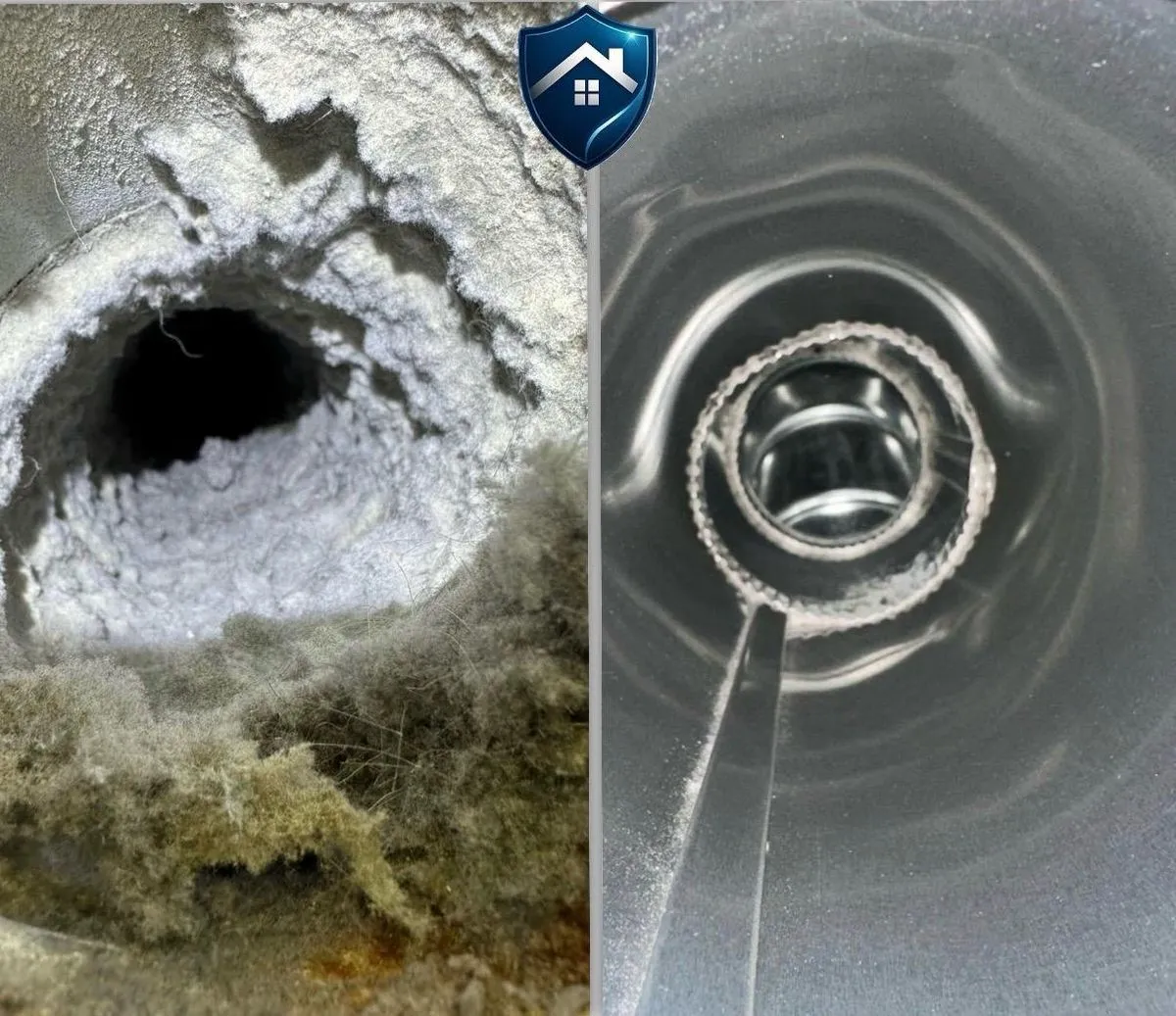
Cleaning restores a good vent; replacement fixes a bad one. If your dryer vent is structurally sound but clogged with lint, cleaning is all you need. If it is crushed, disconnected, made of the wrong material, or routed poorly, no amount of cleaning will fix it, and it stays a fire and efficiency risk until it is repaired or replaced.
Quick comparison
| Situation | Cleaning | Repair / Replacement |
|---|---|---|
| Vent is intact but clogged with lint | ✓ | No |
| Foil/plastic “slinky” hose (fire risk) | No | ✓ rigid metal |
| Crushed, kinked or disconnected duct | No | ✓ |
| Run is too long or has too many bends | No | ✓ reroute |
| Clothes slow to dry after a cleaning | No | ✓ inspect for damage |
Why the wrong vent material matters
Ribbed foil or plastic transition hoses trap lint and are a known fire hazard; modern guidance calls for smooth rigid metal. If that is what you have, replacing the transition hose is worth doing regardless of how clean it is.
Prestige Protected does both
We provide dryer vent cleaning and, when the vent itself is the problem, full repair and replacement across Cary, Raleigh and the Triangle. We start with an inspection so you only pay for what your vent actually needs.
A good vent that is dirty gets cleaned. A bad vent gets replaced. The difference is not a judgment call. It is a short list of physical conditions, and we can usually tell you which one you have within fifteen minutes of arriving.
Five conditions that mean replacement, not cleaning
Cleaning removes lint from a duct that is otherwise doing its job. If any of the following is true, the duct is not doing its job, and taking the lint out changes nothing about that.
- It is foil or plastic flexible hose. The ribbed silver accordion behind the dryer and the white plastic version are the two we replace most often. Ribs catch lint by design, the material sags into a low spot, and it is combustible. Rigid or semi-rigid metal is the replacement.
- It is crushed. The classic version is a dryer pushed back tight against the wall with the hose folded flat behind it. A four-inch duct squeezed to an inch is restricted permanently, and no brush restores the shape.
- It has come apart. A joint that has separated inside a wall, a crawlspace or an attic is discharging warm, wet, lint-laden air into the structure. This is a repair and a moisture problem at the same time, and it has its own page: a dryer vent disconnected in the attic.
- It is too long for the dryer to breathe. There is a code limit on this, and long runs in Triangle two-story homes exceed it regularly. The next section works through the arithmetic.
- It is fastened with screws, or the termination is wrong. Screws project into the airstream and collect lint at every joint. A hood with a screen or mesh across it does the same thing, deliberately, and blocks within months.
The 35-foot rule in plain arithmetic
The International Residential Code limits a clothes dryer exhaust duct to a maximum developed length of 35 feet, measured from the connection at the transition duct to the outlet terminal. Bends count against you: a 45-degree elbow deducts 2 feet 6 inches, and a 90-degree elbow deducts 5 feet. Some manufacturers publish their own, tighter figure, and if the installation instructions say less than 35 feet, the instructions win.
Here is a real second-floor laundry room from a Raleigh subdivision, worked through. Thirty feet of straight duct, plus a 90 to leave the laundry room, plus a 90 to turn up the wall cavity, plus a 45 into the gable termination. That is 30 feet of duct, plus 5 feet for the first 90, 5 feet for the second 90, and 2 feet 6 inches for the 45, which puts the developed length at 42 feet 6 inches against a 35-foot limit. That dryer has never had a fair chance, the clothes have always taken two cycles, and cleaning it every year has been treating a symptom.
You can measure yours in ten minutes with a tape measure and a flashlight. Count the elbows, pace the run, do the subtraction. If the answer is over 35, cleaning will help for a few months at a time and the real conversation is about rerouting. Our rerouting page covers what the options usually are.
Why this is a fire question and not a laundry question
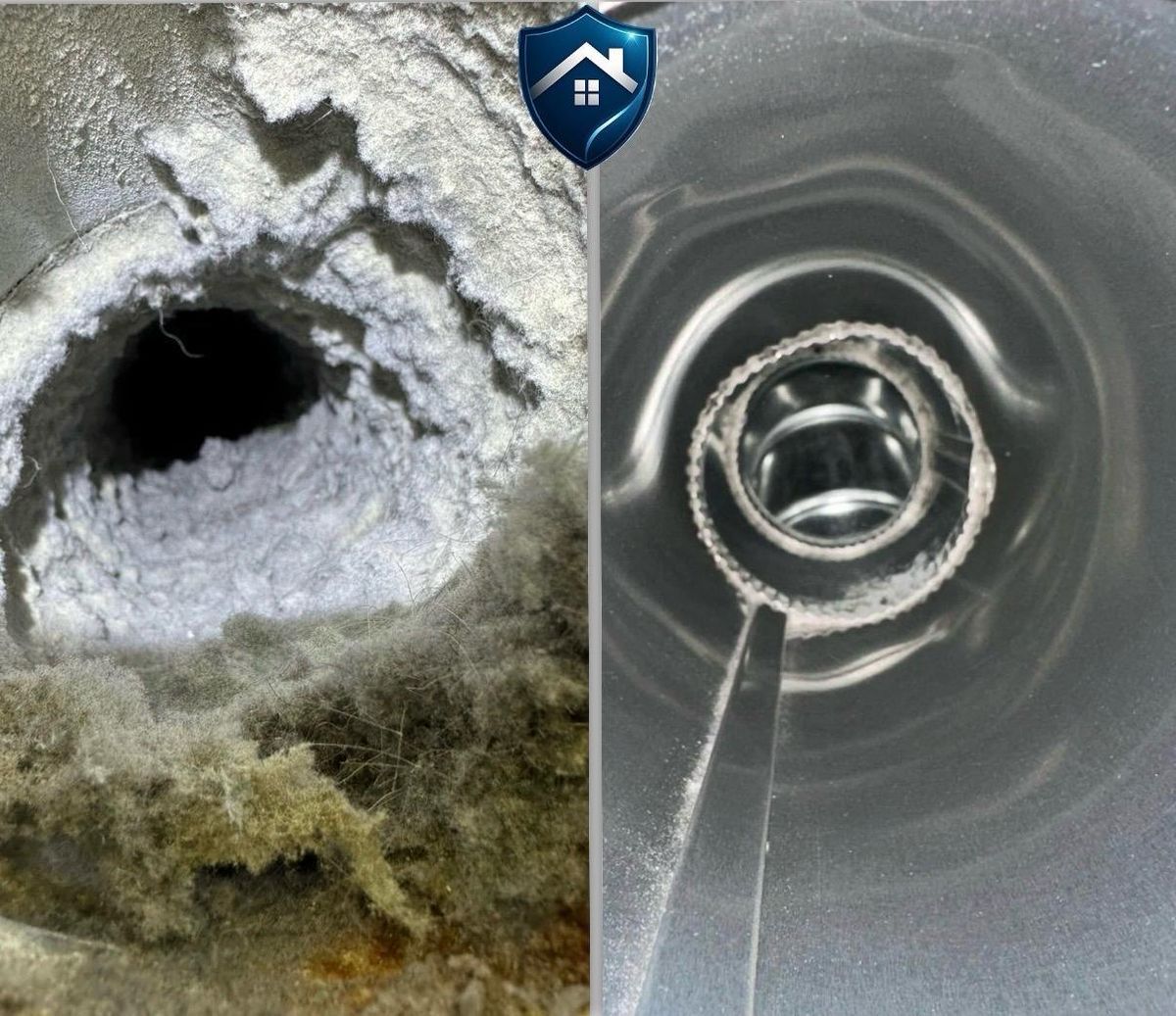
The reason we push on this is not up for debate. The U.S. Fire Administration reports that failure to clean is the leading factor contributing to the ignition of home clothes dryer fires, accounting for 31 percent of them. Lint is fuel, a restricted duct keeps the machine hot, and the two together are the entire mechanism.
The second-order effect is the one homeowners rarely hear about. Every load carries several pounds of water out of your clothes as vapor. If the duct is restricted, disconnected or discharging into a wall cavity, that moisture goes into the structure rather than outside, and the EPA notes water-damaged areas and items should be dried within 24 to 48 hours to prevent mold growth. A vent that has been apart in a Raleigh crawlspace since spring is not just a fire risk. It is a wet building.
If you have a gas dryer, add carbon monoxide to the list. A gas appliance vents combustion products through that same duct, and a blocked duct has nowhere to put them.
What a proper replacement looks like
If we are replacing rather than cleaning, this is what goes in. It is worth knowing so you can hold anyone else to the same standard.
- Rigid or semi-rigid metal, 4 inches nominal, smooth interior. Galvanized steel or aluminum, sized to the appliance, with the smooth side to the airflow so lint has nothing to grab.
- Joints taped, never screwed. Foil tape over the joint, with the male end pointing in the direction of airflow. Screws are the single most common lint-catching mistake in an otherwise decent installation.
- Supported at proper intervals. Strapping so the run cannot sag into a belly that collects moisture and lint. Sag is what turns a compliant run into a blocked one two years later.
- A termination with a backdraft damper and no screen. A hood with a flap that opens on air pressure and closes when the dryer stops, and no mesh across the opening. Mesh keeps birds out for one season and then keeps lint in for good.
- A listed transition duct at the machine. The code expects the flexible piece behind the dryer to be listed to UL 2158A, a single length of no more than 8 feet, and not concealed within construction. Most of what we pull out fails at least two of those three.
A ten-minute check before you book anything
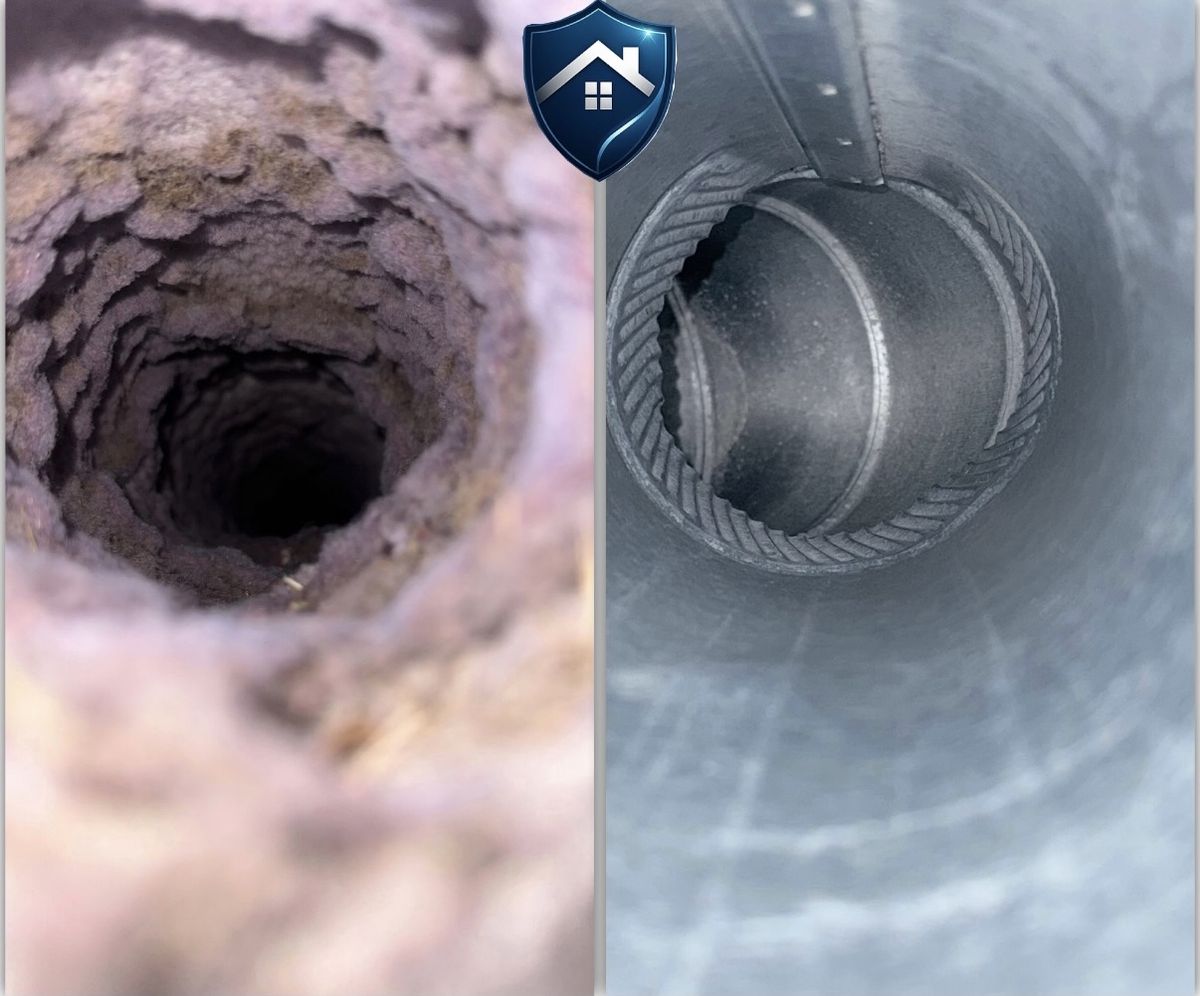
Do this first. It costs nothing, and it turns “my dryer is slow” into a description we can act on over the phone.
- Time one normal load. A healthy vent dries a regular load in roughly 40 minutes. If yours needs 90, or the machine stops with the clothes still damp, the duct is the first suspect.
- Pull the dryer out and look behind it. Note the material, whether the hose is folded, and whether the joint at the wall is taped or just pushed together.
- Feel the laundry room during a cycle. Warm, humid air in the room means the moisture is not making it outside.
- Go outside while it runs and watch the hood. The flap should be pushed fully open with a strong, warm discharge. Barely moving means restricted. Not moving at all with the dryer running means blocked, disconnected, or terminating somewhere it should not.
- Count the elbows and pace the run. Then do the subtraction from the previous section. This is the single most useful number you can hand us.
We serve Raleigh and the surrounding Triangle, and we do both jobs, which is the reason we can afford to be honest about which one you need. Cleaning a vent that should be replaced is a repeat visit we would rather not sell you.
Last updated by the Prestige Protected service team.
Local service pages: Cary and Raleigh.
The same logic applies to duct systems. Our Cary air duct replacement guide covers when a replacement is genuinely the answer.
Frequently asked questions
How do I know if my vent needs replacing, not just cleaning?
If clothes are still slow to dry right after a professional cleaning, or the duct is crushed, disconnected or made of foil/plastic, replacement or repair is likely needed. An inspection confirms it.
Is replacement much more expensive than cleaning?
It costs more than a cleaning because it involves parts and labor, but it is a one-time fix. See our repair & replacement cost guide for the factors involved.
How we decide during a visit
We start every dryer job by checking airflow at the exterior vent and looking over the full run. If clothes dry normally after a cleaning and the duct is sound rigid metal, you are done and there is nothing to replace. If airflow is still weak afterward, or we find a ribbed foil or plastic hose, a crushed section, or a run with too many elbows, we will show you the exact spot and explain what repair or reroute it needs. Our transition hose and rerouting guides walk through the most common fixes in more detail.
A quick at-home check between visits
Between professional visits you can watch for early warning signs yourself: clothes that take more than one cycle to dry, a dryer or laundry room that feels unusually hot, a burning smell during a cycle, or an exterior lint flap that barely moves when the dryer runs. Any of these means airflow is restricted and the vent should be cleaned or inspected. If the trouble persists right after a cleaning, the vent itself likely needs repair rather than another clearing.
How long a dryer vent should last
A properly routed rigid metal vent can last for decades with regular cleaning; the material itself rarely wears out. What fails is everything else: foil accordion hoses that crush behind the dryer, plastic hoses that sag and trap lint, joints that pull apart in attics and crawlspaces, and exterior flaps that stick open or closed. The U.S. Fire Administration reports about 2,900 home clothes dryer fires every year, with failure to clean the dryer the leading contributing factor, which is why a failing vent is a safety decision and not just a convenience one.
Advice for renters and landlords
If you rent and your dryer has slowed down or the laundry room gets humid, put in a maintenance request; in most leases, vent condition is the landlord’s responsibility, and a blocked vent is a documented fire hazard worth having on record. If you own rental property, a vent cleaning between tenants is cheap insurance against both fire risk and appliance complaints, and we can provide photos and a written record for your files. Property managers with multiple units can bundle visits through our commercial service.
Can you replace a crushed hose behind the dryer on the same visit?
Yes. A transition hose replacement is a standard part of our dryer vent work, and it is one of the most common finds during a cleaning, since the hose gets crushed when the dryer is pushed back against the wall. We show you the damaged hose before replacing it.
What vent material should I ask for?
Rigid or semi-rigid metal, always. Smooth metal interior walls move air better and give lint nowhere to catch. Vinyl and plastic hoses do not belong on a dryer at all, and foil accordion hose should be limited to the short transition behind the machine, if used anywhere.
Is a screen or mesh cover over the vent hood a good idea?
No, and it is one of the most common well-intentioned mistakes we find. Mesh is added to keep birds and rodents out, and it does that for a season. Then it becomes a lint filter on the outside of your house, and because it is out of sight nobody checks it. The right answer is a hood with a hinged backdraft damper and no screen, or a purpose-made vent guard with widely spaced bars that lint passes through.
Can a booster fan fix a run that is too long?
Sometimes, and it should be the last option rather than the first. A dryer booster fan is a real product designed for runs that exceed the length a dryer can push against, and it has to be the right kind, wired properly and interlocked so it runs with the dryer. What it does not do is remove the reason the run is long, and it adds a second thing in the duct that collects lint and needs servicing. If the run can be shortened or rerouted instead, that is the better repair.
Should a dryer vent terminate through the roof?
It is allowed, but we would avoid it whenever a wall or gable route exists. A roof termination is a vertical run that lint has to climb, the cap is exposed to weather, and every future cleaning means someone on your roof. In Triangle homes the practical problem is that roof caps get overlooked for years. If yours already goes up through the roof, it needs checking more often, not less.
Can you clean a vent that runs up two floors?
Yes, that is routine work for us, and it is also the configuration where we most often find the run is over the code length. We clean from both ends where access allows and camera the line to confirm the result rather than guessing. If the measurement comes back over 35 feet of developed length, we will tell you that cleaning is maintenance on a design problem, and what a reroute would involve.
How often does a dryer vent need cleaning?
For an average household, once a year is the sensible rhythm. Move to every six months if you have a long or complicated run, a large family doing daily loads, pets that shed heavily, or a vent that has given trouble before. The better trigger than the calendar is drying time: when a normal load starts taking noticeably longer than it did, the duct is telling you. Our guide on cleaning frequency goes into the variables.
Do you do cleaning and repair on the same visit?
Usually yes, and that is the point of having both on the truck. If we open up a vent and find a crushed or foil transition hose, or a joint that has come apart within reach, we can normally put it right the same day. What we cannot do on the spot is a full reroute through finished walls or a new roof termination, because those need planning and sometimes another trade. In that case you get photographs, the measurement and a plain explanation of the options.
Cleaning or replacement: we’ll tell you which
One inspection, an honest recommendation, photos included.