
Indoor Air Quality · Odor
TL;DR: Quick Answer
A musty smell from your vents almost always means moisture, and sometimes mold, somewhere in the system. The usual culprits are a dirty evaporator coil, a clogged condensate drain, or damp ductwork. Cleaning the coil and ducts and fixing the moisture source removes the odor; air fresheners only mask it.
Last updated by the Prestige Protected service team.
That damp, “dirty-sock” smell that hits you when the AC kicks on is one of the most common calls we get in the humid NC Triangle. The good news: the cause is usually identifiable, and once it is fixed the smell goes away for good rather than coming back every summer.
By the Prestige Protected Team · Updated August 2026 · Cary, Raleigh & the NC Triangle
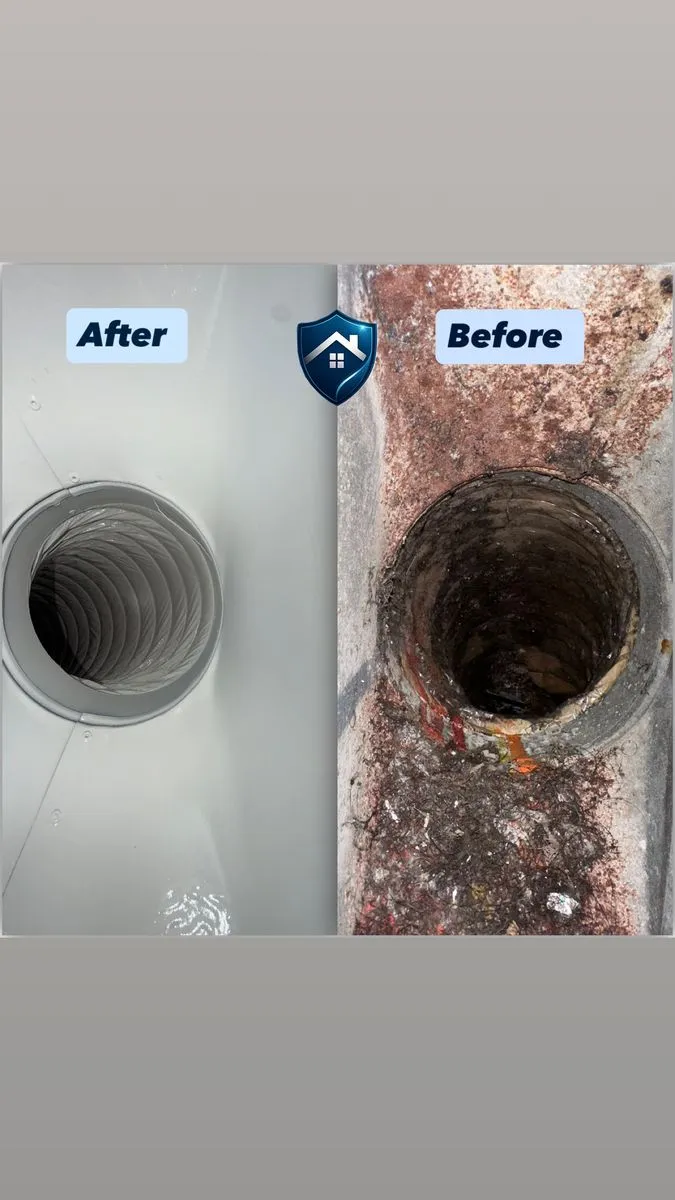
What causes a musty smell from vents
Musty odors are a moisture problem, not an air-freshener problem. In our climate, warm humid air meets cold surfaces inside the system and condenses; if that moisture has nowhere to go or sits on dirty surfaces, it grows mildew and mold that you then smell through every register.
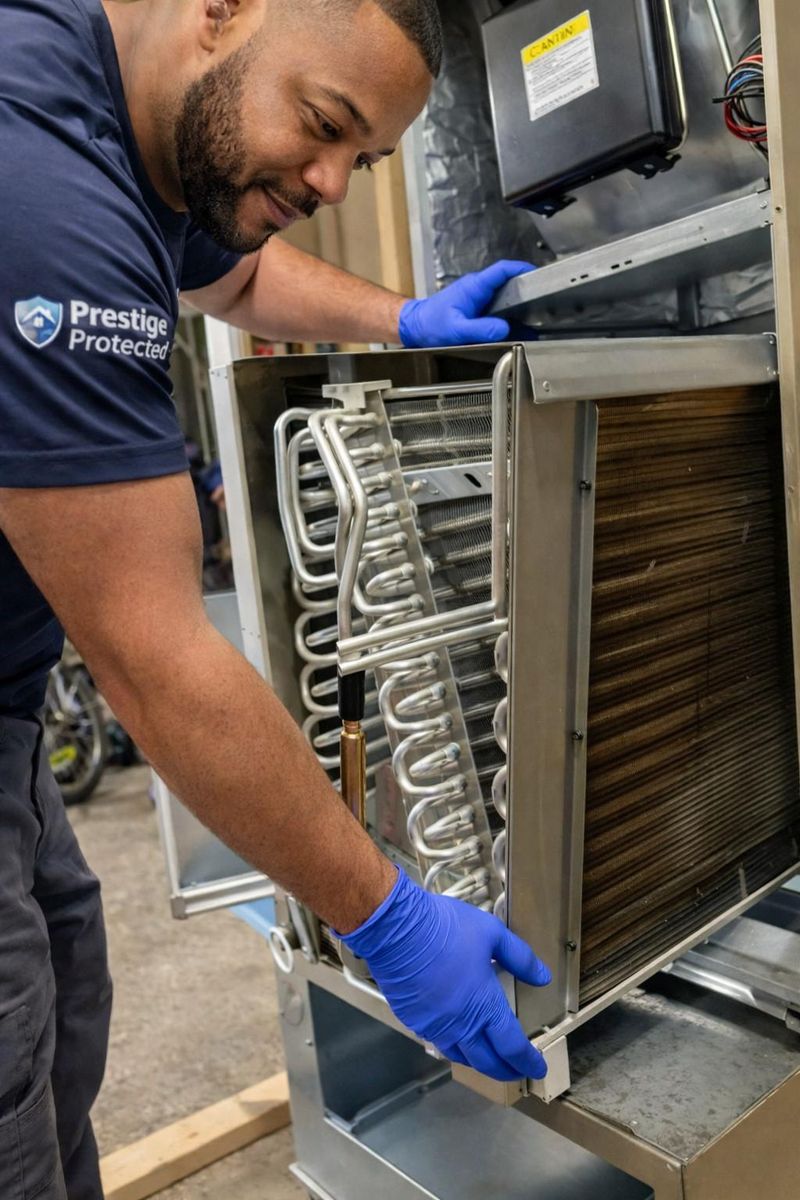
- Dirty evaporator coil: the cold coil stays wet during cooling; dust on it becomes a breeding surface for mold and mildew
- Clogged condensate drain or full drain pan: standing water sits and grows biofilm
- Mold or mildew in the ductwork: damp duct sections or past leaks leave residue
- Oversized or short-cycling systems: they cool fast but don’t run long enough to dry the coil
Is it mold, or just mildew?
The EPA notes that mold needs moisture to grow, and that HVAC systems are a common place for it to take hold because of the condensation involved. A faint musty smell that clears up is usually surface mildew; a strong, persistent smell, especially with visible dark growth around registers or allergy symptoms that ease when you leave the house, points to something that needs professional attention. If you suspect mold, see our guides on mold in air ducts and mold removal in Cary and Raleigh.
How the odor gets fixed
The fix follows the moisture. We inspect first to find the source, then address it directly rather than guessing. Depending on what we find that can include evaporator coil cleaning, clearing the condensate drain and pan, cleaning the affected duct sections with source-removal equipment, and sanitizing. Where there is confirmed mold growth, mold remediation is the right step rather than a simple cleaning. We can also run indoor air quality testing to confirm the problem is resolved.
- Find and fix the moisture source first
- Clean the coil and clear the condensate drain
- Clean or remediate the affected duct sections
- Sanitize, then verify the smell is gone
How to keep it from coming back
Change your filter on schedule (ENERGY STAR suggests checking monthly), keep the condensate line clear, and run the fan long enough to dry the coil between cycles. In a humid summer, a whole-home or portable dehumidifier keeps indoor humidity in the 30 to 50 percent range the EPA recommends, which is the single best way to prevent musty odors from returning.
Find the source yourself in about 15 minutes
The smell is a symptom of moisture, and moisture has a limited number of hiding places. Work through these in order with the system running and you can usually narrow it down before anyone comes out.
- Smell at a supply register, then at the return grille. Strong at the supply and weak at the return points at the coil or the supply ducts. Strong at the return means the air is picking the smell up before it reaches the equipment, often from a wall cavity, crawlspace or the room itself.
- Pull the filter and smell it. A filter that smells damp and sour has been sitting in humid air, which usually means the coil above it is wet and dirty.
- Find the condensate drain line outside and watch it while the AC runs. On a humid Triangle afternoon it should be dripping steadily. Nothing coming out means the line is clogged and water is standing somewhere it should not be.
- Look at the emergency drain pan under the air handler. Standing water, rust staining or a slimy film is the answer to your question.
- Open the crawlspace or basement door and take one breath. If that is the exact smell you get from your vents, the ductwork is pulling crawlspace air through a leak on the return side, and no amount of coil cleaning will fix it.
Why the smell shows up in spring and fall
If your vents smell for a few weeks in April and again in October and then stop, that pattern has a name in the trade: dirty sock syndrome. It happens on heat pumps during the shoulder seasons, when the system alternates between heating and cooling in the same day. The coil gets wet during cooling, then warms during heating, and the biofilm sitting on it releases an odor that gets described as damp gym socks. It is not dangerous, but it does mean the coil has enough organic film on it to feed something, and it will keep coming back every shoulder season until the coil is properly cleaned.
Musty, or something else? What each smell points at
- Rotten eggs or sulfur: stop reading and treat it as a gas leak. Leave the house and call your gas utility or 911 from outside. Natural gas is odorless, and the sulfur smell is an additive put there so you act on it.
- Musty, damp, earthy: moisture and biological growth. The coil, the drain, damp duct sections or crawlspace air being pulled into the system.
- Sweet or chemical, like nail polish remover: can indicate a refrigerant leak. Call your HVAC company.
- Hot dust when the heat first runs in autumn: normal, and it should clear within an hour or two. If it persists or smells scorched, shut the system down and have it looked at.
- Sewer gas: usually a dried-out P-trap in a floor drain or a rarely-used bathroom rather than the ductwork. Pour a liter of water down the drain and see if it clears.
- Something dead: a rodent or bird in the duct, the crawlspace or the return chase. This one does not improve on its own.
Keeping humidity where it needs to be
The EPA advises keeping indoor relative humidity between 30 and 50 percent, and notes that water-damaged areas and items should be dried within 24 to 48 hours to prevent mold growth. In a Triangle summer that is not an abstract number. An oversized air conditioner cools the house quickly, shuts off before it has removed much moisture, and leaves both the coil and the indoor air damper than they should be. If your house feels cold and clammy rather than cold and dry, high indoor humidity is doing half the work of creating that smell. A dehumidifier, longer run cycles, or a properly sized system all address the same root cause.
If you rent
A persistent musty smell from the vents is a habitability and maintenance issue, not something a tenant should be paying to solve. Report it to your landlord or property manager in writing, describe when it happens and what you smell, and include a photo of the drain pan or a wet filter if you can safely reach them. If there is visible growth around a register, photograph that too and keep a dated copy. Property managers who want the problem documented and fixed properly can arrange service through our commercial and multi-unit service.
If the property is in Cary, our Cary mold removal page covers the humidity range that stops it returning.
Frequently asked questions
Why do my vents smell musty only when the AC runs?
Because the smell comes from the cold, damp evaporator coil and duct surfaces. When the blower pushes air across them, it carries the odor into the rooms. When the system is off, the surfaces dry out and the smell fades.
Is a musty smell from the vents dangerous?
A faint mildew smell is mostly a nuisance, but persistent musty odors can signal mold growth, which can aggravate allergies and asthma. If the smell is strong or you see growth, it is worth having the system inspected.
Can I get rid of the musty smell myself?
You can change the filter, clear a visible clog in the condensate line, and run a dehumidifier. If the odor persists, the source is usually the coil or ductwork, which needs professional cleaning or remediation to actually remove.
Does duct cleaning remove the smell permanently?
Only if it addresses the moisture source. Cleaning the ducts and coil and fixing the drainage removes the odor for good; cleaning alone without fixing the moisture will let it come back.
Why does the smell only last a few minutes after the AC starts?
Because the odor has been sitting on the damp coil and the first duct sections while the system was off. When the blower starts it pushes that concentrated pocket of air into the rooms all at once, then the air behind it is cleaner. A short burst of smell at start-up is the classic signature of a dirty evaporator coil.
Will an air freshener or a vent clip help?
It masks the smell for a few hours and adds fragrance to air that already has a moisture problem. It does nothing to the biofilm on the coil or the water standing in the drain pan, and it makes the problem harder to locate later because it hides the very clue that tells you where the moisture is.
Can a musty smell come from the crawlspace rather than the ducts?
Frequently, yes. Return-side leaks pull crawlspace air straight into the system, so the ducts deliver the smell without being the cause of it. The test is simple: if the crawlspace smells exactly like your vents, seal the return leaks and address the crawlspace moisture, because cleaning the ducts alone will not hold.
Is a musty smell in a brand-new home normal?
A faint smell in the first weeks is often construction moisture and off-gassing rather than mold, and it should fade. What is not normal is a smell that persists past the first season or one that is clearly damp and earthy. New systems can still have a wet coil, a blocked condensate line or drywall dust holding moisture in the ducts.
How do I know if it is mold and not just dust?
Dust smells like nothing much. A musty, earthy smell means moisture and biological growth somewhere in the path. Visible dark speckling on or around a register, on the drain pan, or on the interior of a duct is a strong indicator. If you want certainty rather than an opinion, an independent indoor air quality test gives you a result on paper, and we can arrange indoor air quality testing or point you to a third-party assessor.
Does the smell mean the ducts need cleaning?
Not necessarily. If the coil and drain are the source, cleaning the ducts will not remove the odor. We inspect first and treat what we actually find, which is often coil cleaning and clearing the condensate line rather than a full duct cleaning. Where there is confirmed growth in the ductwork, remediation is the correct step and we cover that in mold removal in Cary and Raleigh.
Get rid of that musty smell for good
Related guides
- Mold in air ducts, the most common cause of the smell
- AC coil cleaning, where damp and growth usually start
- HVAC disinfection, for growth already established
- Black marks around the vents
- Air quality testing
- Crawlspace ductwork in older Raleigh homes