TL;DR (quick answer): Most homes do well with air duct cleaning every three to five years. Go sooner, every one to two years, with shedding pets, allergy or asthma sufferers, smokers, recent renovation, or humidity problems. The EPA’s official guidance is condition-based: clean when there is visible mold, pest activity or excessive debris in the system, not on a fixed calendar. A quick look behind a supply register tells you most of what you need to know.
Most homes should have their air ducts cleaned every 3–5 years. Clean sooner, every 1–2 years, if you have pets, allergy or asthma sufferers, recent renovations, high humidity, or a smoker in the home. The EPA recommends cleaning when there’s visible mold, pest activity, or excessive debris rather than on a fixed schedule. Here’s how to decide what’s right for your home.
Most homeowners should clean their air ducts every three to five years. This standard baseline prevents excess dust, pet dander, and debris from restricting airflow and reducing your HVAC system’s efficiency. While your ventilation system moves air, small particulates inevitably settle inside the ductwork. Over time, this buildup forces your equipment to work harder and affects your indoor air quality. Understanding how often to schedule air duct cleaning is a practical way to protect your system from mechanical wear.
Note: These are general industry guidelines. Your specific timeline may vary based on your home, system use, and environment.
Recommended Air Duct Cleaning Frequency
Every home accumulates debris at a different rate. Your daily habits, local environment, and system use dictate your timeline. The table below outlines the recommended vent cleaning frequency for common household scenarios:
| Household Type | Recommended Frequency | Primary Reason |
| Standard (No Pets) | Every 3 to 5 Years | Baseline dust accumulation. |
| Pet Owners | Every 2 to 3 Years | Fur and dander buildup. |
| Allergy/Asthma Sufferers | Every 1 to 2 Years | Reducing airborne triggers. |
| New Home Move-In | Immediately | Clearing the previous owner’s debris. |
| Post-Renovation | Immediately | Drywall dust and sawdust removal. |
Why HVAC System Cleaning Matters for Indoor Air Quality
Maintaining clear ductwork goes beyond removing visible dust. Trapped debris impacts your HVAC components and your home’s air quality.
- Energy Savings: Restricted airflow forces systems to run longer cycles to meet the thermostat setting. This increases energy consumption and monthly utility costs.
- Equipment Longevity: Dust accumulation insulates heat exchangers and clogs evaporator coils. This restricts heat transfer and accelerates mechanical wear.
- Allergy Relief: Removing concentrated dander and pollen from the ductwork reduces airborne particulate matter. This helps minimize common triggers for respiratory distress.
- Odor Removal: Organic matter trapped in dark ventilation spaces creates musty odors. Clinical cleaning extracts this material, removing the source of the smell.
Key Factors That Change How Often to Clean Air Ducts
A rigid timeline does not fit every property. You must evaluate your specific living conditions to determine how often to clean air ducts.
- The 3-5 Year Rule: This serves as the industry baseline for homes with no indoor pets and strict adherence to regular filter changes.
- Pet Ownership: Dogs and cats shed fur and dander continuously. Homes with indoor pets require extraction every two to three years to prevent airflow restriction.
- Post-Construction: Remodeling projects generate fine particulate matter. Drywall dust easily bypasses standard filters. Immediate cleaning prevents these particles from recirculating.
- Health Needs: Immunocompromised individuals or those with severe respiratory conditions benefit from annual inspections to maintain strict home hygiene.
- Moisture Intrusion: High humidity or water leaks can introduce moisture into the ducting. This requires immediate inspection to identify and mitigate potential mold growth.
How Professionals Handle Dust Removal and Vent Cleaning
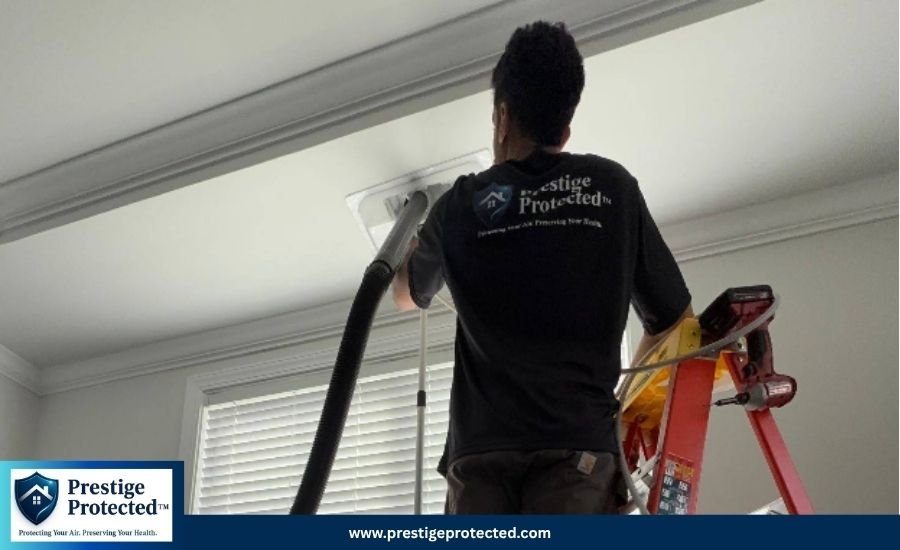
Homeowners can change filters and wipe down registers, but deep extraction requires specialized tools. Professional technicians use a systematic approach to safely remove debris without cross-contaminating your living space.
- High-Volume Vacuum Systems: Technicians connect specialized vacuums to the main trunk line. This places the entire system under negative pressure, ensuring particulate matter is extracted directly outside or into a HEPA-filtered containment unit.
- Mechanical Agitation: Air whips and rotary brushes dislodge adhered debris from the rigid or flexible duct walls. This pushes the material into the vacuum stream.
- System-Wide Care: Comprehensive service includes cleaning the blower motor housing, evaporator coils, and drip pans to restore full system efficiency.
- Safe Sanitation: Technicians apply EPA-registered sanitizers formulated specifically for HVAC systems. These products mitigate microbial growth without damaging fiberglass liners or introducing harmful VOCs into the air stream.
Setting a Proactive HVAC Maintenance Schedule
Maintaining a clean ventilation network ensures optimal HVAC performance. By adhering to a calculated maintenance schedule, you prevent excessive buildup and mechanical strain. Proactive duct care lowers energy expenditure, extends the lifespan of your furnace and air conditioner, and improves the overall air quality of your home.
Prestige Protected is a professional indoor air quality company serving the Cary, NC area, specializing in air duct cleaning, dryer vent cleaning and HVAC cleaning for local homeowners.
Ensure your air is clean and your system operates at peak efficiency. Contact us today to schedule your full air duct cleaning service.
Frequently Asked Questions
How many years should you go between air duct cleanings?
The industry standard recommends professional extraction every three to five years. This interval prevents heavy accumulation from restricting airflow or degrading indoor air quality.
Do you need to clean air ducts every year?
No. Annual cleaning is unnecessary for standard households. An annual HVAC inspection combined with cleaning every three to five years provides the most effective maintenance strategy.
Does having pets change how often air ducts need cleaning?
Yes. Pets introduce a high volume of hair and dander into return vents. Homes with multiple or heavy-shedding pets require professional cleaning every two to three years to maintain proper airflow.
Should air ducts be cleaned after a home renovation?
Yes. Construction generates fine particulates like drywall dust and sawdust. These particles easily bypass standard residential filters. Immediate extraction prevents this dust from circulating through the home and damaging HVAC components.
Does the EPA recommend a specific duct cleaning schedule?
The EPA does not mandate a fixed schedule. They recommend extraction when there is visible mold, pest infestation, or excessive debris obstructing airflow. Following the three to five-year baseline helps identify and resolve these issues early.
Related guides & next steps
- Air duct cleaning service
- Is air duct cleaning worth it? (EPA-honest answer)
- How often should air ducts be cleaned?
- 7 signs your air ducts need cleaning
- How much does air duct cleaning cost?
- Local: Raleigh · Cary
Check for yourself in five minutes
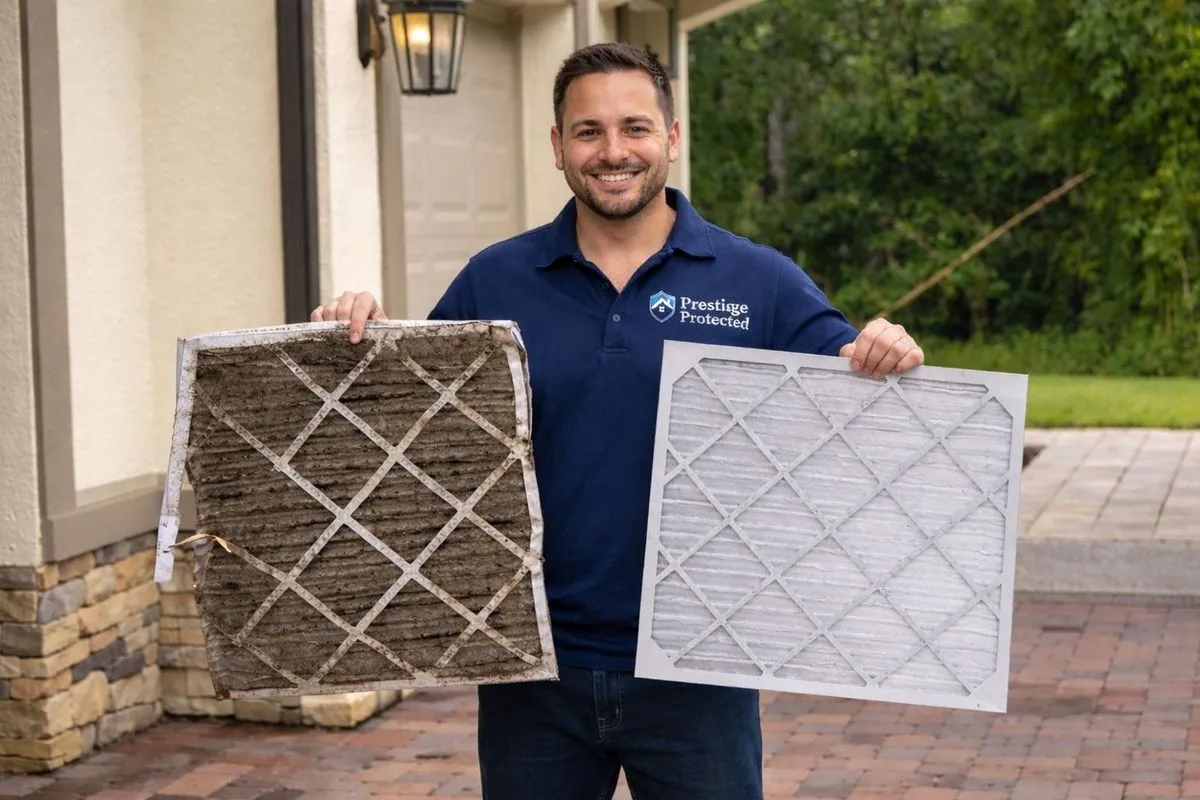
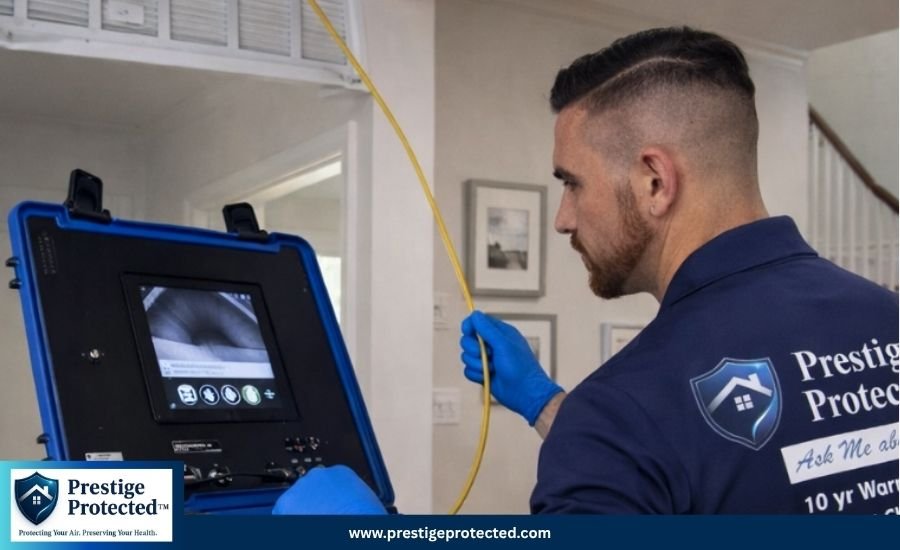
You do not have to guess or take a salesperson’s word for it. Unscrew one supply register and one return grille, and photograph the inside of the duct with your phone and a flashlight. A thin film of grey dust is normal and harmless. A carpet of matted dust, black flecks, pet hair mats or any speckled growth means it is worth a professional camera inspection. This is the same condition-based logic the EPA recommends, the calendar is a rough guide, the duct’s actual condition is the answer. If what you find looks bad, compare it against the signs air ducts need cleaning, see what a cleaning costs, or read how the process works before you call anyone, including us.
Common questions
Do homes with pets need duct cleaning more often?
Usually yes. Shedding dogs and cats push the practical interval toward every one to two years, because dander and hair accumulate in return runs and on the coil. The five-minute register check is the honest way to know whether your home is on the fast schedule.
Do new or newly renovated homes need it sooner?
Yes, construction and renovation are the strongest cases for cleaning. Drywall dust and debris get into open ducts during the work and recirculate afterward. The EPA lists renovation debris among the conditions that warrant cleaning regardless of when the ducts were last done.
Is annual air duct cleaning necessary?
For most homes, no, and a company that pushes an automatic annual duct cleaning is a red flag. Yearly service makes sense for the HVAC system itself (a maintenance check), while the ducts only need cleaning when their condition calls for it. The exception is the dryer vent, which genuinely should be cleaned about once a year.
What happens if I never clean my air ducts?
Buildup narrows airflow, makes the system run longer for the same comfort, feeds dust back into rooms faster than you can clean them, and gives mold a foothold if humidity is high. None of that fails overnight, it just quietly costs efficiency and air quality every month.