TL;DR (quick answer): A professional air duct cleaning is a four-stage source-removal job: a camera inspection with photos, negative-air containment so debris cannot escape into your rooms, mechanical agitation of every supply and return run, and a final walkthrough with before-and-after photos of your own ducts. Most single-system Triangle homes take three to five hours from arrival to cleanup.
Air Duct Cleaning · How It Works
Professional air duct cleaning is a source-removal process: we inspect the system, seal it under negative air pressure, agitate debris loose from every duct, and capture it in a HEPA-filtered vacuum, then clean the HVAC components and show you before-and-after photos. Here’s exactly what happens when our Triangle technicians clean your ducts.
By the Prestige Protected Team · Updated June 2026 · Cary, Raleigh & the NC Triangle
The air duct cleaning process, step by step
- Inspection, we examine your ducts and HVAC components (often with a camera) and show you what’s actually inside before any work begins.
- Set up negative air, the system is placed under negative pressure with a powerful HEPA-filtered vacuum so loosened debris is captured, not spread into your home.
- Agitation & source removal, rotary brushes and compressed-air tools dislodge dust, dander, and buildup from the full length of each supply and return duct.
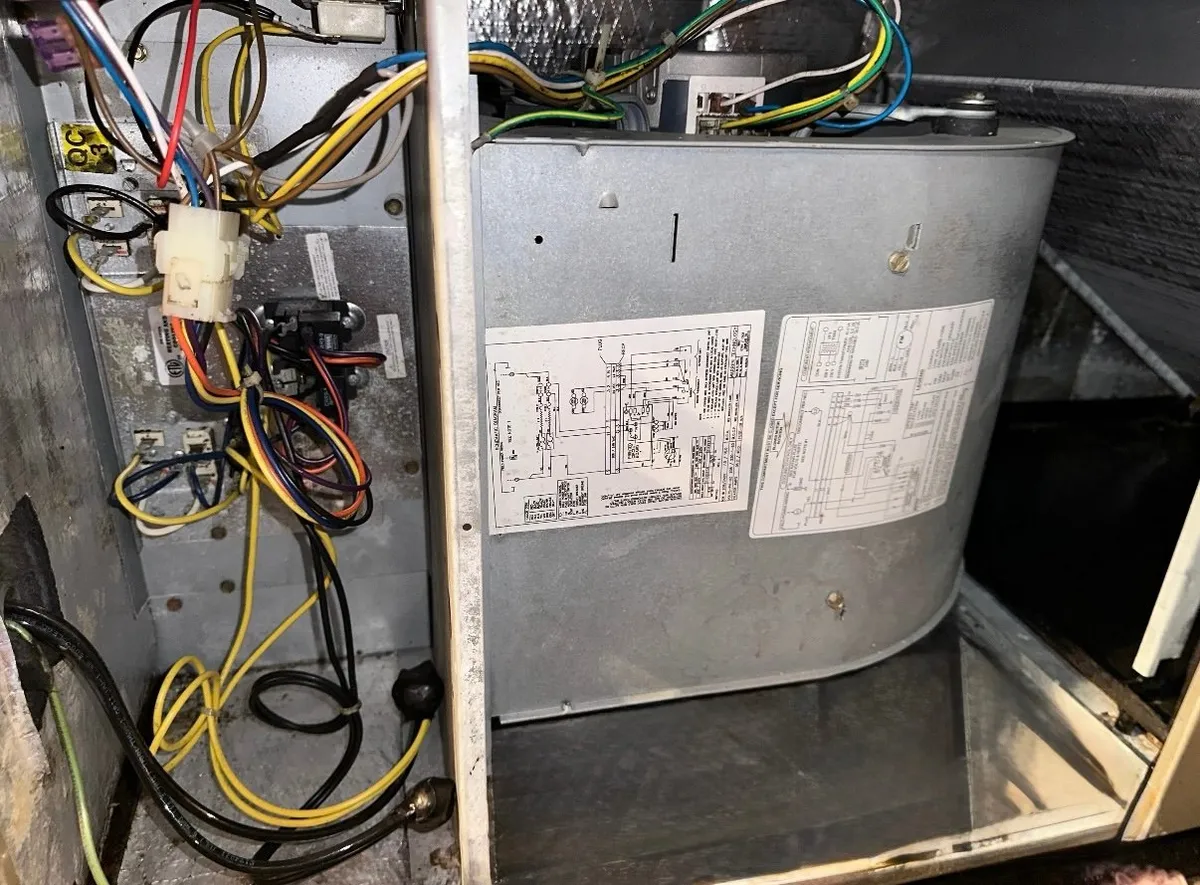
- HVAC component cleaning, registers, grilles, the plenum, blower, and (as needed) the coil and drain pan are cleaned.
- Optional sanitizing, if mold or odors are present, we apply an EPA-registered treatment.
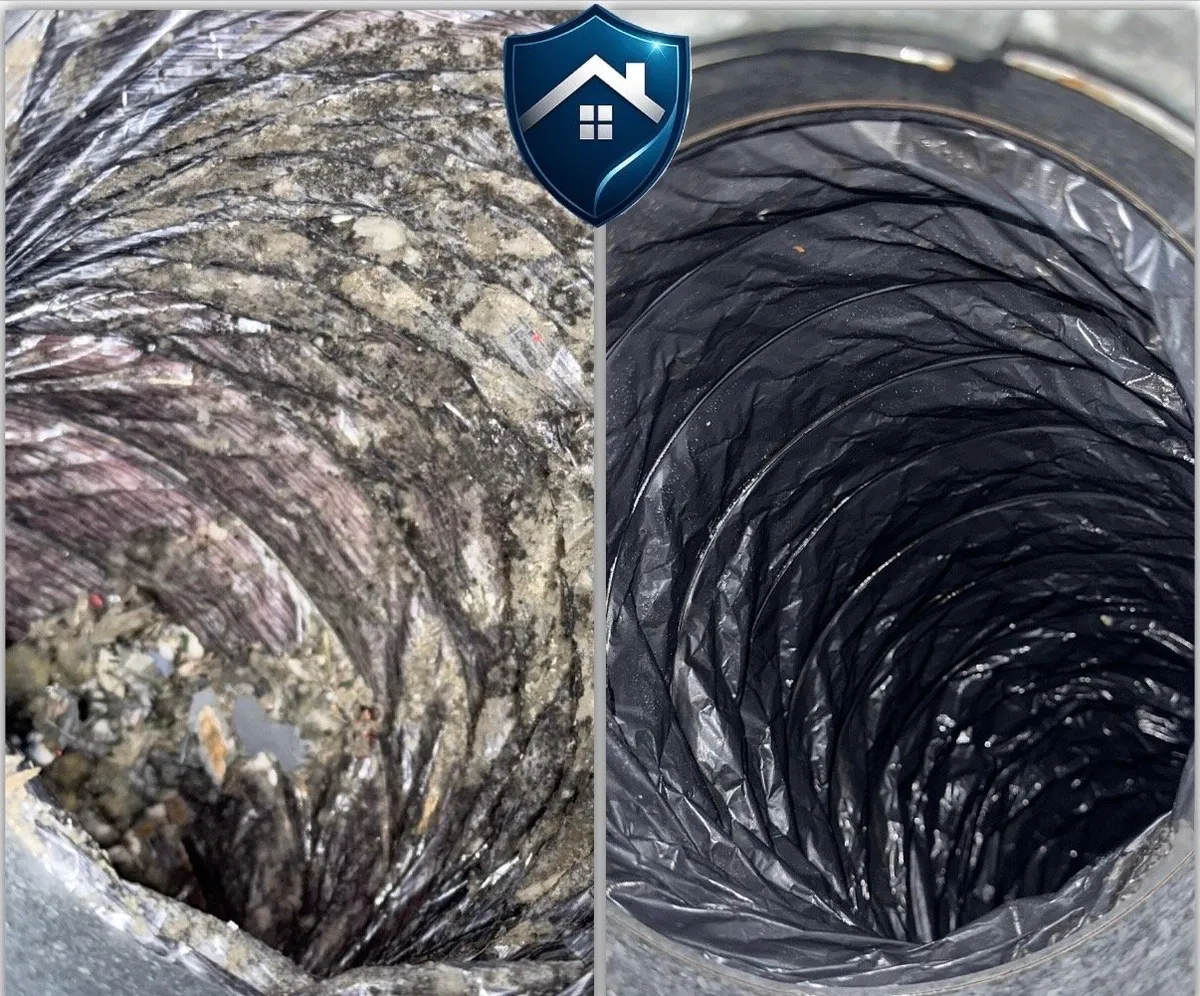
- Before-and-after walkthrough, we show you photos of the results and leave your home clean.
Real results in NC homes
See the difference in your home
Related guides
Related guides
Frequently asked questions
How long does the air duct cleaning process take?
Most single-system homes take a few hours, while larger homes with multiple HVAC units or heavy buildup take longer. The time depends on the number of vents, the layout, and the condition of the ducts.
How will I know the air duct cleaning actually worked?
A reputable company documents the work with before-and-after photos of your duct interiors, blower, and coil, so you can see exactly what was removed from your system.
How do professionals clean air ducts (source removal)?
Reputable duct cleaning uses the “source-removal” method: the system is put under negative air pressure with a powerful vacuum while brushes or compressed-air whips agitate debris loose, so it’s captured and removed rather than pushed around. This is what source removal means in practice, and it’s what separates real cleaning from a quick “blow-and-go.”
What equipment do professionals use?
A HEPA-filtered negative-air vacuum, rotary brushes or air whips, and inspection tools. HEPA filtration ensures the dislodged dust is captured, not recirculated into your home.
How long each stage takes
Homeowners mostly ask two things: how long will you be here, and how do I know you actually cleaned anything? Here is the honest timeline for a typical single-system home in Cary or Raleigh:
- Inspection and setup (30–45 minutes). We run a camera through accessible runs, photograph the buildup, protect flooring, and cut the access openings the vacuum connects to.
- Containment (15 minutes). The negative-air machine goes on and the system is sealed under suction before any agitation starts, this is the step that keeps dislodged dust out of your living space.
- Cleaning (2–3 hours). Rotating brushes and compressed-air whips work every supply and return run toward the vacuum, then the main trunks. Registers and grilles are washed and re-seated as we go.
- Walkthrough (15–20 minutes). Access openings are sealed, equipment comes out, and we show you the after photos next to the before photos taken at the same spots.
How to tell the job was done right
The difference between a real cleaning and a vent-cover wipe shows up in three places. First, photos: a crew that did the work can show you the inside of your own ducts before and after, not stock images. Second, time: there is no way to source-clean a whole house in 45 minutes. Third, the vacuum: negative-air equipment is large and loud, if nothing bigger than a shop vac came through the door, the ducts were not cleaned. These are the same checks we suggest in our guide to choosing a duct cleaning company, and they apply to us too: ask for our photos and we will show you.
The EPA does not recommend cleaning on a fixed schedule, it advises cleaning when there is visible buildup, mold, or pest activity in the system, or after major renovation dust. That is why the process starts with an inspection rather than a sales pitch: if the camera shows your ducts do not need cleaning yet, we tell you so. When you are ready, see what a cleaning costs, the signs your ducts need attention, or our air duct cleaning service page. We serve Cary, Raleigh and the wider Triangle.
Common questions
Do I need to leave the house during the cleaning?
No. The system is under negative pressure the whole time, so dust stays in the equipment rather than your rooms. Most customers work from home right through the job; we just ask for clear access to registers and the air handler.
Does the HVAC system have to be turned off?
Yes, the heating and cooling is off while we clean, typically three to five hours. On very hot or cold days we schedule around the comfortable part of the day.
Will you need to cut holes in my ductwork?
We cut small access openings so the vacuum and tools can reach the main trunks, then close each one with a proper sealed panel, not tape. This is standard practice and the openings are photographed before and after.
What if the inspection shows my ducts are clean?
Then we tell you that and you keep your money. The camera photos belong to you either way, and we will tell you roughly when it is worth checking again based on what we saw.