Quick answer
Routine air duct cleaning is not covered by homeowners insurance, and it is not covered by a home warranty either. Insurance may contribute when duct contamination is the direct result of a covered event, a fire with smoke damage, a burst pipe, a storm, or in some policies a rodent infestation. A home warranty covers mechanical failure of the equipment, not cleaning. Your own policy is the authority, and the checks that decide it are the maintenance exclusion, the vermin exclusion and any mold sublimit.
Why routine cleaning is not covered
Homeowners insurance is built around sudden, accidental damage. Dust and debris settling in ductwork over ten years is neither sudden nor accidental, it is the expected result of a system doing its job. Insurers class that as maintenance, and maintenance is the homeowner’s responsibility.
It is the same logic that excludes repainting, gutter clearing and filter changes. Nothing has gone wrong; time has simply passed. So if you are hoping to have a routine cleaning reimbursed, the honest answer is that you will be paying for it yourself.
When insurance may contribute
The picture changes when the ductwork is contaminated because of something that did go wrong suddenly. In those cases duct cleaning is not the claim, it is part of putting right the damage the claim covers.
- Fire and smoke. Smoke travels through the return and coats duct interiors well beyond the room that burned. Cleaning is a normal part of smoke remediation.
- Water damage from a sudden failure. A burst supply line or an overflowing appliance that reaches ductwork in a crawlspace. Note the distinction: sudden failure is usually covered, a slow leak that went unnoticed for months usually is not.
- Storm damage. A roof opened up by wind or a fallen limb, letting debris and rain into the system.
- Rodents or pests. Sometimes covered, often excluded, and it varies more between policies than any other item on this list. Read the exclusions.
- Sewage or backflow. Usually needs a specific endorsement rather than being part of the base policy.
Mold is the awkward one. Many policies cover mold only when it results from a covered water event, and many cap the amount. If mold is your concern, read your policy’s mold clause before assuming anything, that is where the limits usually are.
What a home warranty covers instead
Home warranties and appliance service plans are frequently confused with insurance, and they work differently. A warranty covers the breakdown of covered equipment, a failed blower motor, a compressor, a control board, subject to a service fee and to the plan’s limits.
Cleaning is not a breakdown, so it is not covered. In fact many warranty contracts run the other way: they require you to have maintained the system, and can deny a claim on a failure they judge to have been caused by neglect. In that situation, keeping records of duct and coil cleaning helps you protect a future equipment claim, which is a reason to keep receipts even though the cleaning itself is not claimable.
Why photographs matter for a claim
If you are making a claim that involves ductwork, an adjuster will want evidence of the condition, its cause and its extent. Ductwork is hidden, so without documentation there is nothing to assess and the easiest decision for the adjuster is to decline.
What tends to help:
- Photographs of the duct interiors showing the contamination, ideally identifying which runs
- Dated evidence, so the contamination can be tied to the event rather than to age
- A written scope describing what was found and what the work involved
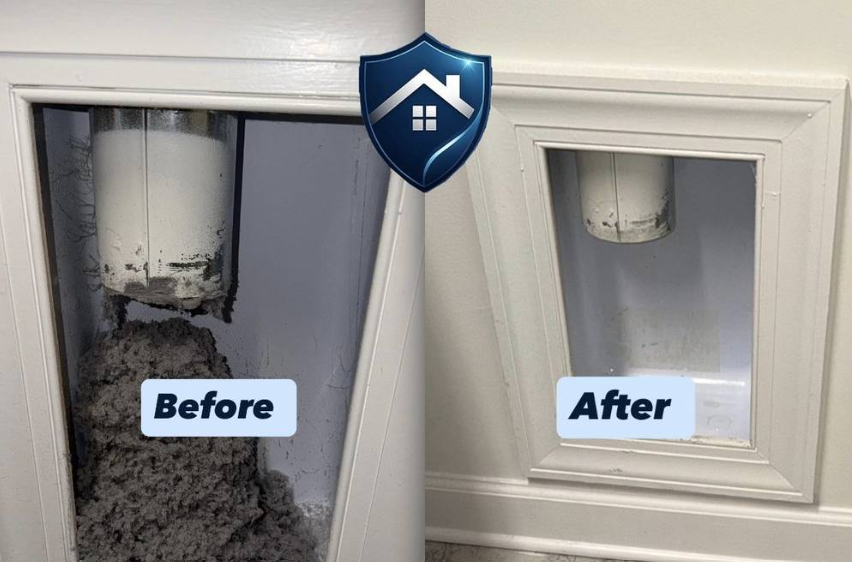
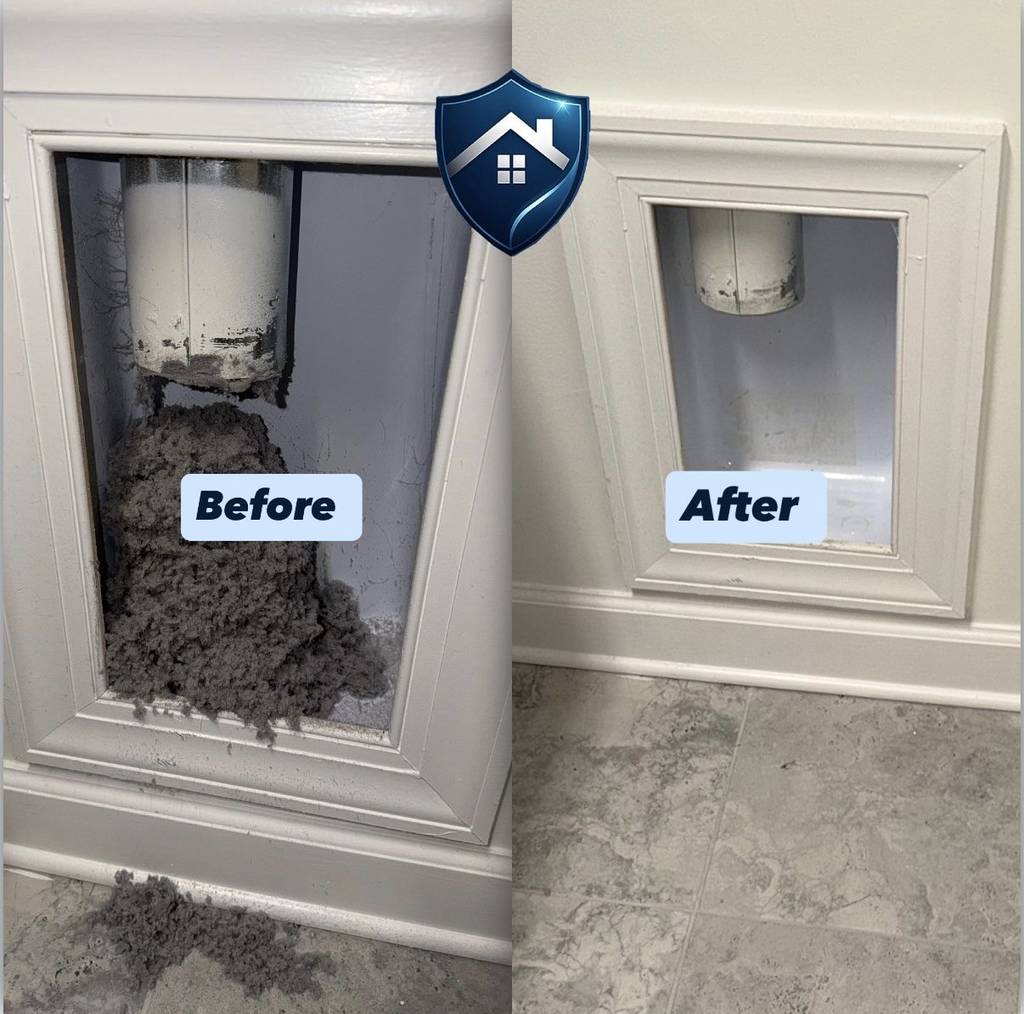
- Before-and-after images, which show the work was actually carried out
- Any earlier maintenance records, which establish the system was not simply neglected
We photograph and document every job as a matter of course, so if you need that paperwork for a claim you will have it. Our air duct cleaning process page shows what we record, and HVAC and duct inspection covers how the camera work is done.
Questions to ask your insurer
- Is duct cleaning covered as part of remediation for this specific peril?
- Does my policy distinguish between sudden water damage and a gradual leak?
- What is my mold limit, and does it apply here?
- Are rodent and pest-related losses excluded?
- What documentation do you need, and does the work need approving before it starts?
- Will a claim of this size affect my premium or renewal?
That last one is worth asking before you file. On a job whose cost is close to your deductible, a claim can end up costing more over time than paying directly.
What we do and do not do
To be straightforward about our role: we do not file claims for you, we do not act as your representative with an insurer, and we cannot tell you whether your claim will succeed, only your carrier can. What we can do is inspect the ductwork, photograph and document what is there, and give you a written scope of work you can hand to an adjuster.
If a company tells you they can get your duct cleaning covered by insurance, be careful. Coverage is decided by your policy and your adjuster, not by a contractor, and confident promises on that point are a warning sign of the kind described on our air duct cleaning scams page.
If you are paying for it yourself
Which most people are. Two things worth knowing. First, cleaning is not needed on a fixed schedule, the how often to clean air ducts page explains what actually triggers it, and the answer for many homes is less often than you might expect. Second, an inspection first tells you whether you need the work at all, which means you are not paying to clean ducts that did not need cleaning.
For pricing, see what air duct cleaning costs and what changes the figure. If your concern is mold specifically rather than dust, mold in air ducts covers how to tell the difference before you spend anything.
We serve Cary, Raleigh and the Triangle, call (888) 404-8321 or request a quote.
This article is general information about how insurance and warranty products usually treat duct cleaning. It is not insurance advice, policies differ significantly, and only your insurer or a licensed adviser can tell you what your own cover includes.
Covered event or maintenance: which one is it?
Almost every claim decision comes down to this one distinction. Use the table as a starting point, then check the wording of your own policy, because coverage varies between carriers and between policy forms.
| Situation | Usually treated as | What to do first |
|---|---|---|
| Dust built up over ten years | Maintenance, not covered | Book it as a normal service |
| Smoke damage after a house fire | Covered event, often included in the restoration scope | Report the claim, get duct cleaning written into the scope |
| Burst pipe or water damage reaching the ductwork | Covered event in most policies | Report it promptly, photograph the wet ductwork |
| Storm damage that opened the building envelope | Covered event | Include the ducts in the adjuster walkthrough |
| Rodent infestation and droppings in ducts | Depends entirely on the policy, often excluded | Read the vermin exclusion before you call |
| Mold found in the ductwork | Usually capped or excluded unless it follows a covered water loss | Establish the water source first |
| Air handler failed mechanically | Home warranty territory, not insurance, and cleaning is still excluded | Check the warranty contract terms |
What to have ready before you call the carrier
- The date and the cause. Claims turn on a specific event with a date, because a gradual condition falls under the maintenance exclusion.
- Photographs of the ductwork itself, not only of the room. Adjusters want to see the affected component.
- An itemized scope of work that separates duct cleaning from the other restoration line items.
- The policy sections that apply. Look for the maintenance exclusion, the vermin exclusion and any mold sublimit.
- Anything the adjuster or a restoration contractor has already written down. A scope that already names duct cleaning is far easier to get paid.
We provide before and after photographs and an itemized invoice as standard, which is usually what a carrier or a restoration general contractor needs from us. We are not a restoration firm and we do not bill carriers directly, so the claim itself stays between you and your insurer.
Home warranties are a different product
A home warranty is a service contract on the equipment, not insurance on the building. It exists to repair or replace a system that has failed mechanically. Cleaning is maintenance, so warranties exclude it, and many of them also require proof that you kept up with maintenance before they will pay for a failure. That is worth knowing the other way round: keeping the system clean can protect a future warranty claim even though the cleaning itself is never reimbursed.
What this costs if you are paying for it yourself
Most people are, so it is worth knowing the real range rather than guessing. The EPA puts professional duct cleaning at roughly 450 to 1,000 US dollars per heating and cooling system, depending on system size, accessibility and how contaminated it is. Our air duct cleaning cost page breaks down what moves the number, with local figures for Raleigh and Cary. If you are weighing it up at all, is air duct cleaning worth it is the honest version of that question, including when we tell people not to book.
Duct cleaning services typically, but not always, range in cost from 450 to 1,000 US dollars per heating and cooling system, depending on the services offered, the size of the system to be cleaned, system accessibility, climatic region and level of contamination.
U.S. EPA, Should You Have the Air Ducts in Your Home Cleaned?
That EPA range is the figure to hold a quote against, whether you are paying yourself or submitting it inside a restoration scope. An adjuster who sees a number far outside it will ask why, and you should be able to answer.
Where we work
We serve Raleigh, Cary and the surrounding Triangle, with the full list on our service areas page. If your ductwork has been through water damage and you need mold dealt with rather than dust, mold removal in Raleigh and mold in air ducts are the places to start.
Frequently asked questions
Is air duct cleaning covered by homeowners insurance?
Routine cleaning is not. Homeowners policies cover sudden, accidental damage, and dust accumulating over years is neither. Insurance may contribute when duct contamination is the direct result of a covered event such as a fire with smoke damage, a burst pipe or storm damage.
Does a home warranty cover duct cleaning?
No. A home warranty covers mechanical failure of the equipment, not cleaning, which it classes as maintenance. Some warranties go further and require evidence of maintenance before paying out on a failure.
What about rodents in the ductwork?
It depends on your policy. Many homeowners policies exclude damage caused by vermin outright, while some contribute to remediation. Read the vermin exclusion in your own policy before you call, because that clause decides it.
Will insurance pay after smoke damage?
Often yes. Smoke travels through the duct system, so duct cleaning is commonly part of a fire restoration scope. Make sure it is written into the scope as its own line item, because an assumed inclusion is the one that gets queried.
What documentation will my adjuster want?
The date and cause of the loss, photographs of the affected ductwork rather than just the room, and an itemized scope separating duct cleaning from other restoration work. We supply before and after photographs and an itemized invoice as standard.
Can you bill my insurance company directly?
No. We are a cleaning and repair company, not a restoration contractor, so we invoice you and you claim. What we can do is give you documentation an adjuster can act on.
Book air duct cleaning in Raleigh or Cary
Camera inspection first, mechanical cleaning, then before and after photographs and an itemized invoice you can hand to anyone who asks.
Last updated by the Prestige Protected service team.