
Quick answer
A clogged dryer vent is a fire risk, not just a slow-laundry annoyance. The U.S. Fire Administration names failure to clean as the leading factor contributing to the ignition of home clothes dryer fires, at 31 percent from 2018 to 2020. If a normal load needs a second cycle, or the laundry room gets hot and humid, the run needs clearing now rather than at the next convenient time.
Dryer vent cleaning matters for two big reasons: safety and efficiency. A lint-clogged vent is the leading cause of home dryer fires, and it also forces your dryer to run hotter and longer, wasting energy and wearing the appliance out faster. For Cary and Raleigh homeowners, an annual cleaning is inexpensive protection. Here’s why it’s worth it.
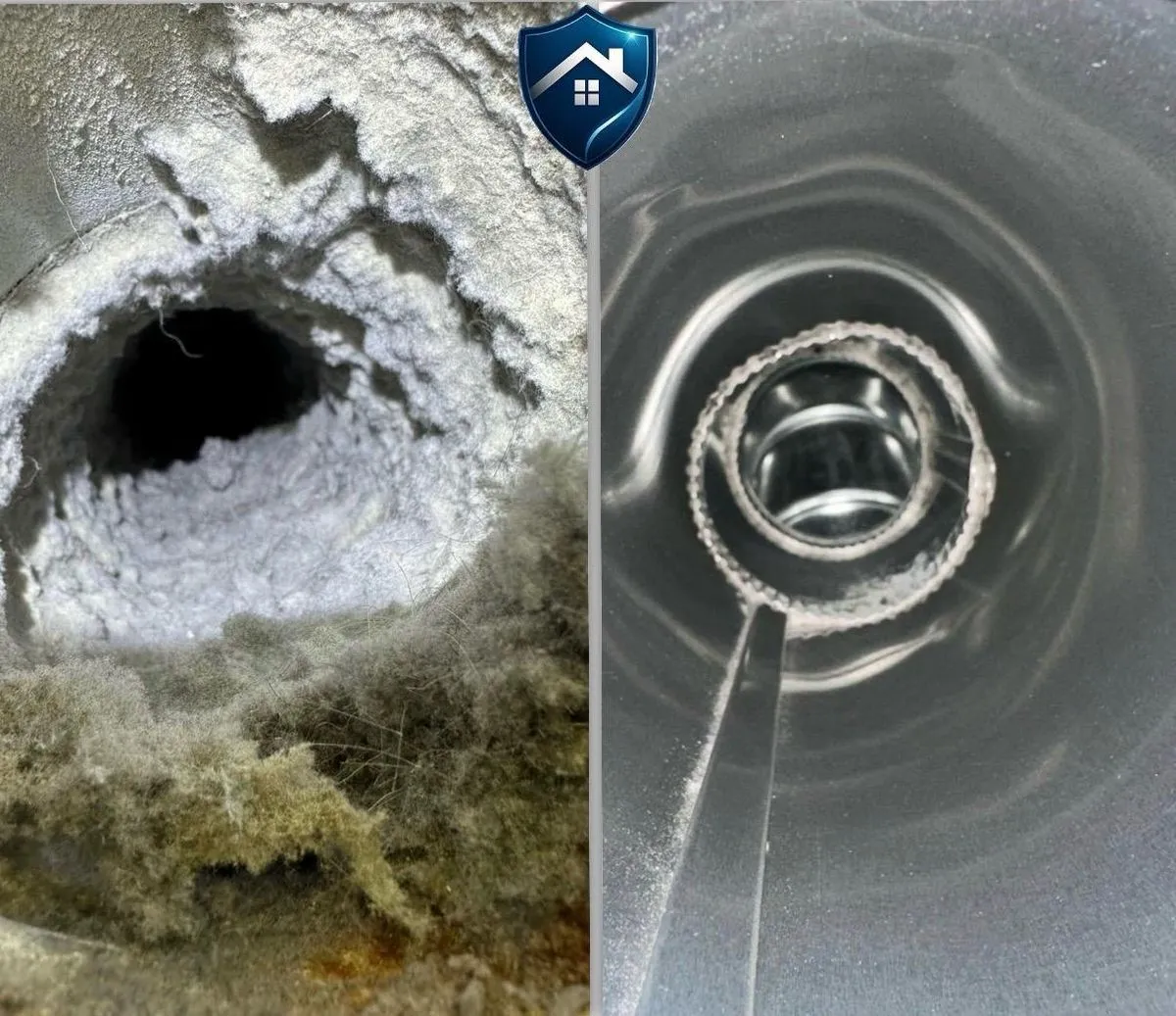
Most Cary and Raleigh homeowners never think about the dryer vent until clothes start taking two cycles to dry. By then the vent line is usually well on its way to being packed with lint. Homeowners often overlook this essential aspect of home maintenance, but neglecting it can lead to significant safety risks, increased energy bills, and diminished air quality.
This guide will outline the importance of this service, signs that indicate your dryer vents need attention, and practical tips for maintaining optimal dryer performance.
The risks of a neglected dryer vent
Clogged dryer vents can pose serious fire hazards. Lint buildup is highly flammable, and according to the U.S. Fire Administration, clothes dryers are behind roughly 2,900 home fires each year, and failing to clean the vent is the leading cause. The risk increases significantly if the dryer vent is not cleaned regularly. The potential for a fire, coupled with the fact that many homeowners are unaware of the dangers, makes it critical to prioritize dryer vent maintenance.
Additionally, blocked vents can lead to inefficient dryer performance. When airflow is restricted, dryers must work harder to remove moisture from clothes, leading to longer drying times. That wastes energy and shows up on the bill. It also puts more heat into the machine and the run, which is the part that matters for safety.
Failure to clean (31%) was the leading factor contributing to the ignition of clothes dryer fires in homes from 2018-2020.
U.S. Fire Administration, Appliance and Electrical Fire Safety usfa.fema.gov
What regular cleaning actually changes
Investing in regular dryer vent cleaning offers numerous advantages, particularly for residents in Cary and Raleigh. These benefits include:
- Enhanced Safety. Regular cleaning reduces the risk of fire caused by lint buildup. Keeping vents clear ensures that heat can escape, minimizing the chance of ignition.
- Improved Energy Efficiency. A clean dryer vent allows for better airflow, meaning your dryer won’t have to work as hard to dry clothes. This efficiency leads to lower energy consumption and reduced utility costs.
- Better Indoor Air Quality. Clogged vents can lead to poor air quality in your home. Dust, allergens, and other pollutants can circulate throughout your living space. Regular cleaning helps to eliminate these harmful particles, contributing to a healthier home environment.
- Extended Appliance Lifespan. A dryer that operates under optimal conditions is likely to have a longer lifespan. Regular maintenance can help you avoid costly repairs or premature replacements.
- Time Savings. Clean dryer vents lead to faster drying times, allowing you to complete laundry tasks more efficiently.
Signs your dryer vent needs cleaning
Recognizing the signs that your dryer vents need cleaning is essential for preventing issues before they escalate. Here are some indicators that it’s time to schedule a professional cleaning:
- Longer Drying Times. If your clothes are taking significantly longer to dry than usual, this can indicate a blockage in the vent.
- Burning Smell. A burning smell when using your dryer is a serious warning sign. This can indicate overheating due to restricted airflow, which poses a fire risk.
- Excess Lint Accumulation. If you notice lint accumulating around the dryer’s lint trap or on nearby surfaces, it’s a clear sign that your vent may need cleaning.
- The Outside Vent Flap Does Not Open. When your dryer is running, the vent flap should open to allow moisture and heat to escape. If it remains closed, airflow is likely restricted.
- Hot Clothes or Dryer. If your clothes feel excessively hot after a drying cycle, or if the dryer itself is hot to the touch, this may indicate a clogged vent.
- Increased Energy Bills. A sudden spike in your energy bills can be a sign that your dryer is working harder due to a blocked vent.
Staying vigilant about these signs can help you address issues early, preventing more severe problems in the future. For more information on signs that your air ducts need cleaning, check out our 7 Signs Your Home’s Air Ducts Need Professional Cleaning.
How to keep the run clear between visits
Maintaining your dryer vents is essential for ensuring their efficiency and safety. Here are some proactive measures you can take:
- Regular Professional Cleaning. Schedule a professional dryer vent cleaning at least once a year, or more often if you have a large household or use your dryer frequently. Professionals can remove lint buildup and ensure that your venting system is functioning correctly.
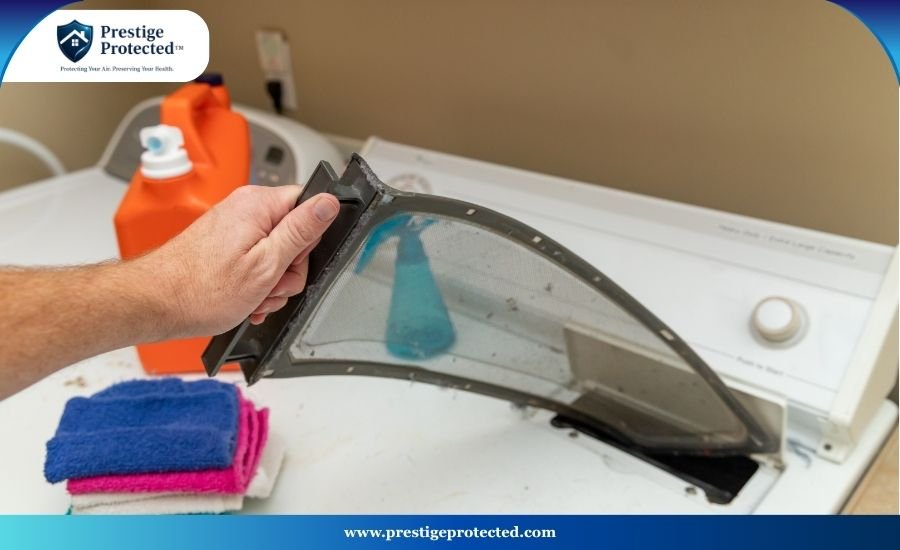
- Clean the Lint Trap. Always clean the lint trap after every use. This simple action can significantly reduce lint buildup in the vent.
- Inspect the Venting System. Periodically check the venting system for any visible signs of blockage or damage. Look for kinks or sharp bends in the ductwork that could hinder airflow.
- Use the Right Ducting Material. Ensure that your dryer vent duct is made of a smooth metal material rather than plastic or foil. These materials are less prone to lint accumulation and are more durable.
- Minimize the Length of the Duct. Keep the duct as short as possible to reduce the chances of lint buildup and improve airflow.
- Consider Upgrading Your Dryer. If your dryer is old and inefficient, consider investing in a newer model with better energy efficiency ratings. Newer dryers often have better lint filters and ventilation systems.
By following these maintenance tips, you can help ensure that your dryer operates safely and efficiently, reducing the risk of fire and prolonging the life of the appliance. For more on our cleaning services, visit our services page.
Where a professional visit earns its money
While homeowners can perform some maintenance tasks, professional dryer vent cleaning is critical for thorough lint removal and system inspection. Trained technicians have the tools and expertise to clean vents efficiently and safely. They can also identify potential issues that may not be visible to the untrained eye.
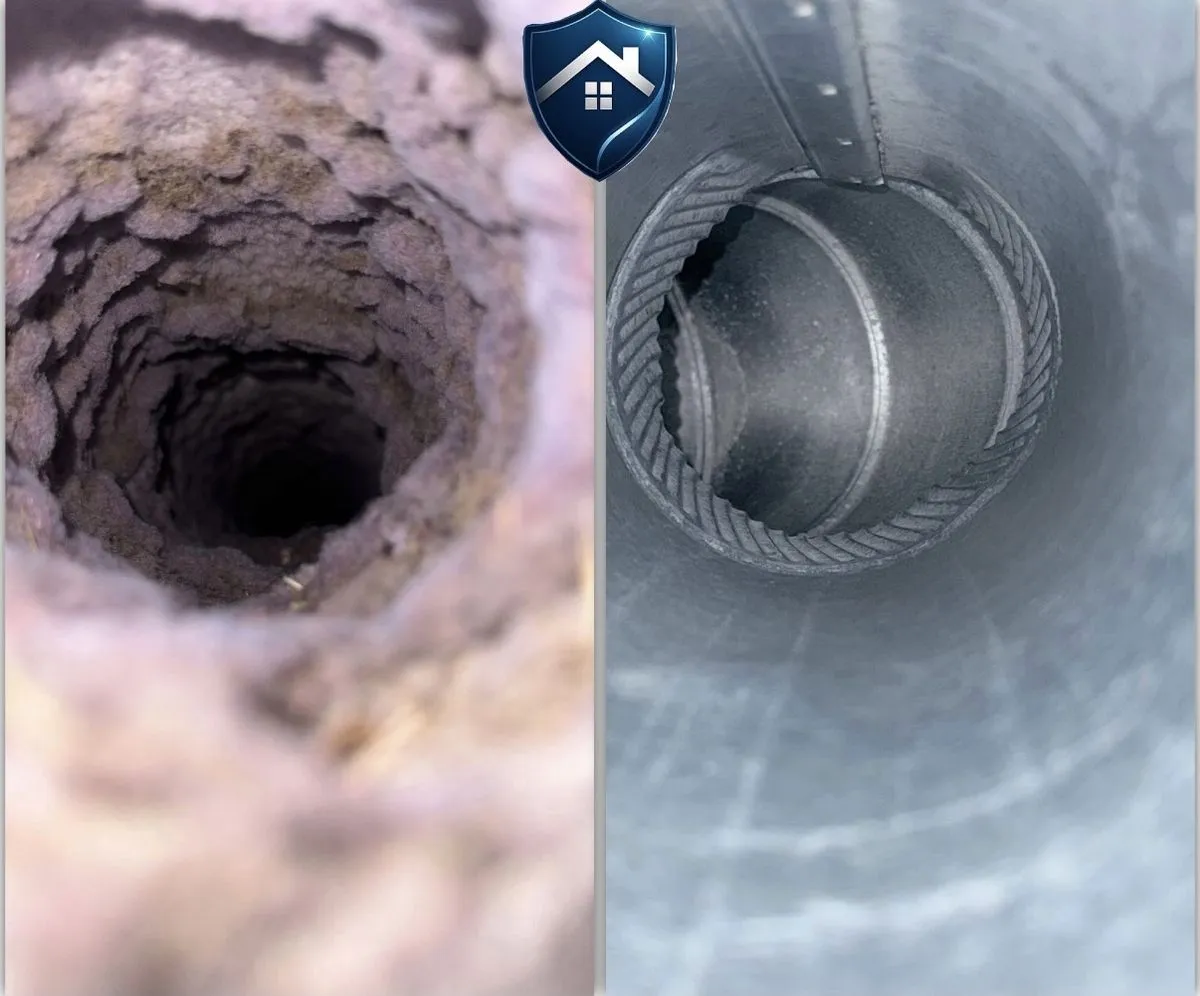
If you’re in the Cary or Raleigh areas, consider reaching out to Prestige Protected for your dryer vent cleaning needs. We clean and repair dryer vents across Cary, Raleigh and the wider Triangle, and we photograph both ends of every run so you can see what was actually done.
The bottom line for Cary and Raleigh homes
A clean dryer vent is cheap insurance: it cuts the fire risk, shortens drying times and keeps lint dust out of your laundry room air. By being aware of the signs that indicate a need for cleaning and taking proactive maintenance steps, you can protect your household and improve the performance of your dryer.
For Cary and Raleigh homeowners the practical takeaway is short. If a normal load needs a second cycle, or the laundry room gets hot and humid while the dryer runs, the vent needs clearing now rather than at the next convenient moment. Clearing the full run to the exterior hood is what fixes it. Protect your home and family by making dryer vent cleaning a routine part of your household maintenance.
Related guides and next steps
Why the vent run matters more than the lint trap
Almost everyone empties the lint screen. Very few people think about the four to thirty feet of duct behind the machine, and that is where the problem lives. The screen catches the large fibers. What gets past it is fine lint carried in humid air, and that mixture sticks to the inside of the run, to every elbow, and to the flapper at the outside cap. It builds in layers until the airflow drops far enough that the dryer cannot get rid of its own moisture.
The U.S. Fire Administration puts the national figure at roughly 2,900 clothes dryer fires in residential buildings each year, and identifies failure to clean as the leading factor, accounting for about a third of them. That is not an argument about how dirty your house is. It is an argument about a duct that nobody can see.
What a Triangle house does to a dryer run
Local construction habits matter here. Many Cary and Raleigh homes put the laundry upstairs or in an interior closet, which means a long run through a joist bay or up through an attic before it reaches an outside wall or the roof. Longer runs with more elbows collect more lint, and they do it faster. A downstairs laundry venting straight through the back wall in six feet is a very different maintenance problem from a second-floor laundry running twenty-five feet to a roof cap.
Summer humidity compounds it. Air that is already carrying a lot of moisture takes longer to pull moisture out of a load, so the dryer runs longer, and a longer cycle pushes more lint through a duct that is already restricted. The symptom people notice is that clothes take two cycles in July and one in February.
| What you notice | What it usually means | What actually fixes it |
|---|---|---|
| Clothes need a second cycle | Restricted airflow through the vent run | Clean the full run to the outside cap, not just behind the machine |
| Laundry room is hot and humid during a cycle | Warm moist air is escaping the duct instead of leaving the house | Find and seal the disconnection, usually at a joint in an attic or crawlspace |
| Burning smell when the dryer runs | Lint in contact with a heat source | Stop using the dryer and have the run and the machine checked before the next load |
| Outside flap never opens | The termination is blocked, by lint or by a bird nest | Clear the cap and confirm the flapper moves freely |
| Lint on the floor behind the machine | The transition hose is split or has pulled off | Replace the transition hose with rigid or semi-rigid metal |
How often, honestly
Once a year covers most households. Move to twice a year if the run is long, if it turns more than twice on the way out, if you dry more than about five loads a week, or if you have a pet that sheds. Those four conditions are the ones that actually predict how fast a run loads up, and three of the four are common in Triangle homes with upstairs laundries.
Frequently asked questions
Why is dryer vent cleaning important in Cary and Raleigh?
Clogged dryer vents are a leading cause of home dryer fires and also lengthen drying time and strain the appliance. Regular cleaning reduces fire risk and improves efficiency.
How often should dryer vents be cleaned?
Once a year suits most households, and more often for large families, homes with pets, or long or winding vent runs.
Do you clean dryer vents in both Cary and Raleigh?
Yes. We run crews out of both offices and cover the whole Triangle. See the Cary dryer vent cleaning page or the Raleigh service page to book on your side of town.
How long does a dryer vent cleaning take?
Most residential runs take under an hour. Long attic or roof-terminated runs, or a vent that has not been cleaned in several years, can take longer because the equipment has to work in stages from both ends.
Can I clean the dryer vent myself?
You can clean the first few feet behind the machine with a brush kit, and doing that is better than doing nothing. What a kit generally cannot do is reach the elbows, clear a roof termination safely, or tell you whether the run has come apart somewhere you cannot see. Those are the failures that matter.
What kind of duct should a dryer vent use?
Rigid or semi-rigid metal. Flexible plastic and thin foil accordion hose sag, trap lint at every low point and are the reason a lot of transition hoses fail. If you have foil or plastic behind your machine, replacing it is a small job with an outsized effect.
Does a longer vent run need a bigger dryer?
No, it needs a shorter or straighter run, or a booster arrangement if the geometry cannot be changed. Manufacturers publish a maximum equivalent length for a reason, and every elbow counts against it. If your laundry is upstairs and the clothes never dry, the run length is the first thing to measure.
Is dryer vent cleaning worth it if my dryer works fine?
It is maintenance, not a repair, so the honest answer is that you will not notice a dramatic difference on a system that is already flowing well. What you are buying is that the run stays that way and that somebody has looked at the parts of it you cannot see.
Do you clean dryer vents in condos and townhouses?
Yes. Shared-wall construction often means longer runs and roof terminations, which is exactly the geometry that loads up fastest. The access question is worth raising when you book so the right equipment is on the van.
Related reading
- Air duct and dryer vent cleaning in Cary, NC
- Air duct and dryer vent cleaning in Raleigh, NC
- What dryer vent cleaning costs
- Signs of a clogged dryer vent
- Dryer takes too long to dry
- Dryer vent fire risk and prevention
Last updated by the Prestige Protected service team.
Book a visit in Cary, Raleigh or the wider Triangle
We inspect first, quote before we start, and show you photos of your own system before we leave.